
Cudahy preschool programs can give young children a supportive place to build early academic, social, emotional, and physical skills before kindergarten. For families in Los Angeles County, choosing the right program involves reviewing more than classroom activities. Parents should also consider teaching practices, individual attention, scheduling, affordability, family communication, and the overall learning environment.
A strong preschool program balances purposeful instruction with play, creativity, movement, and opportunities for children to make choices. Understanding these elements can help families compare local options and select a setting that supports their child’s current development while building a positive foundation for future learning.
Exploring Preschool Programs in Cudahy, CA, for Early Learning
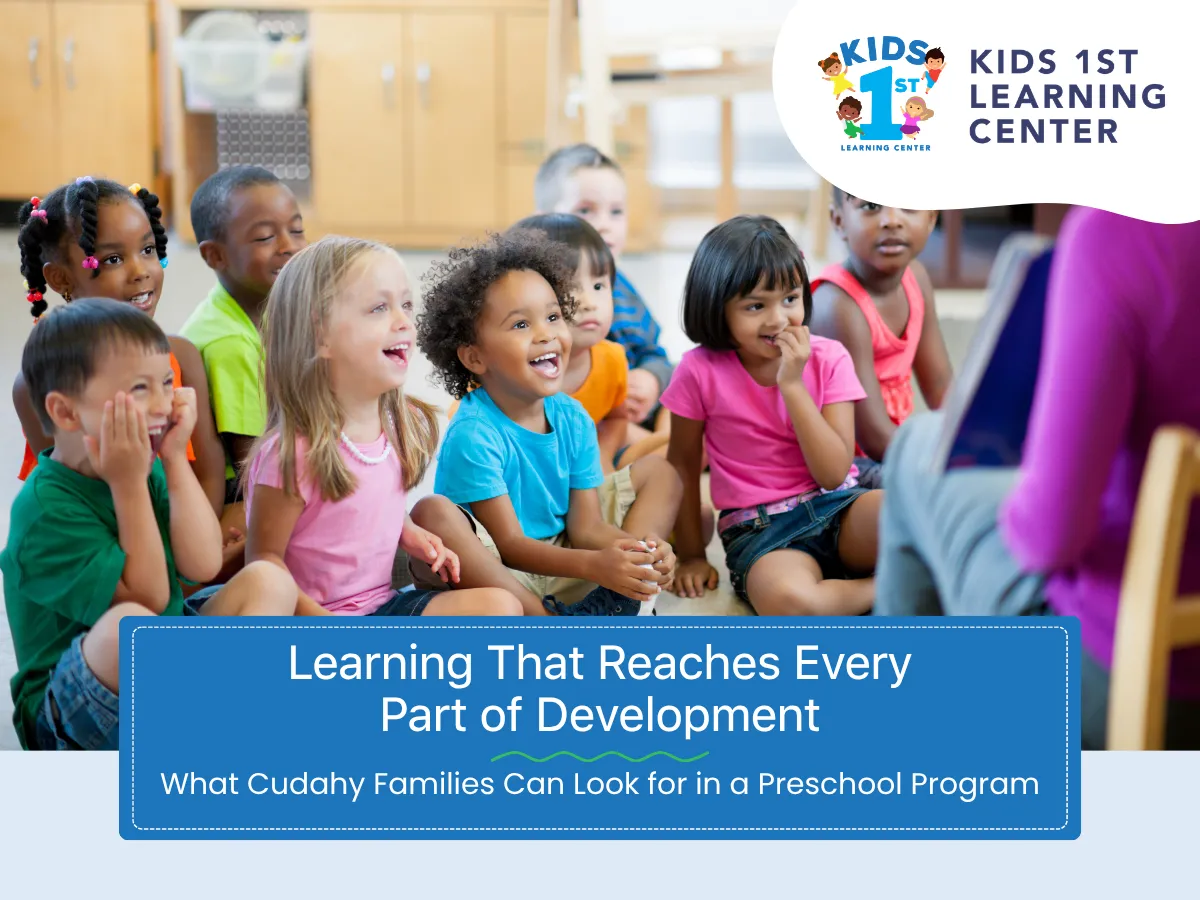
Preschool programs in Cudahy, CA, can support children as they develop the skills, routines, and confidence needed for their next educational stage. A well-rounded program should recognize that preschool learning is not limited to letters, numbers, or worksheets. Young children also need opportunities to communicate, solve problems, build relationships, manage emotions, strengthen coordination, and explore their interests.
Learning Across Multiple Areas of Development
Parents can look for a curriculum that provides balanced opportunities for:
- Early language and literacy
- Beginning mathematical thinking
- Science and discovery
- Creative expression
- Physical development
- Social interaction
- Emotional growth
- Independence and self-help skills
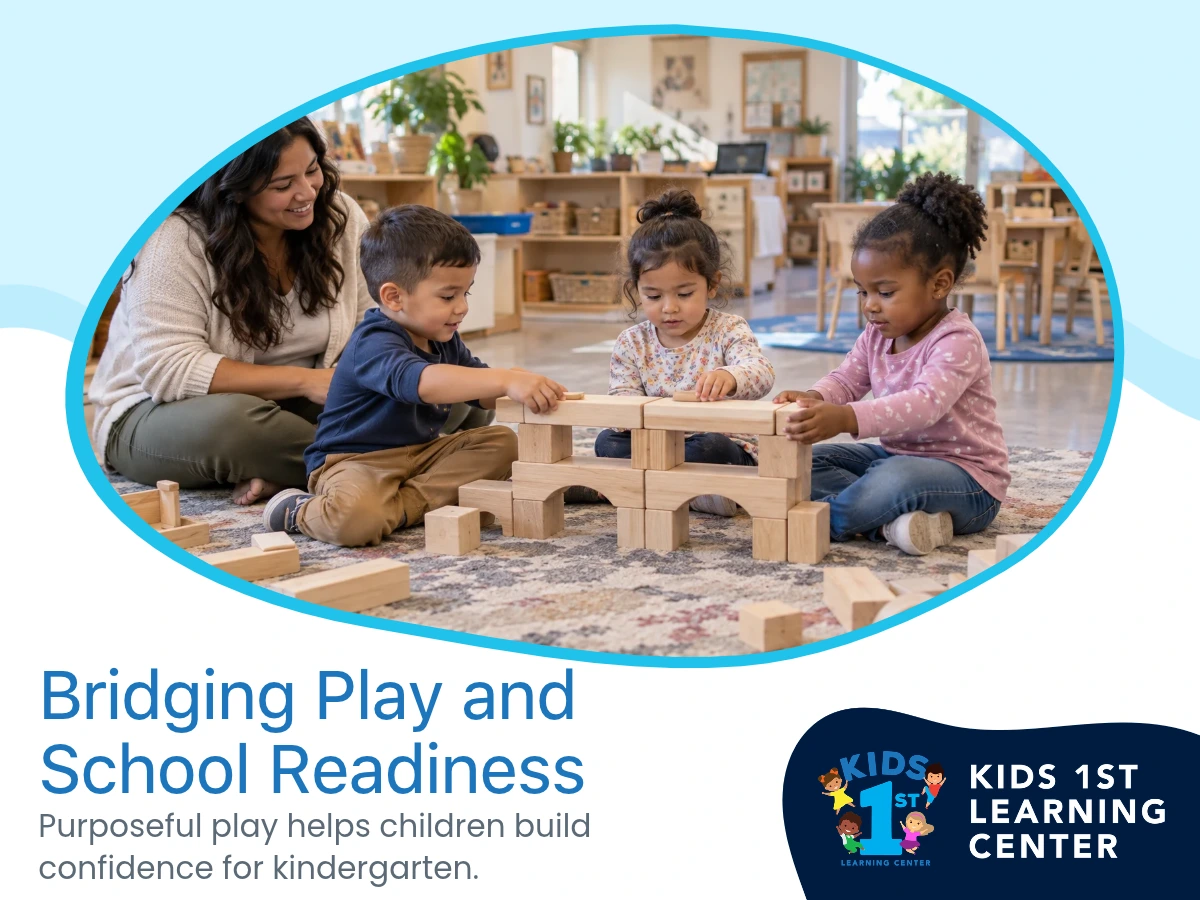
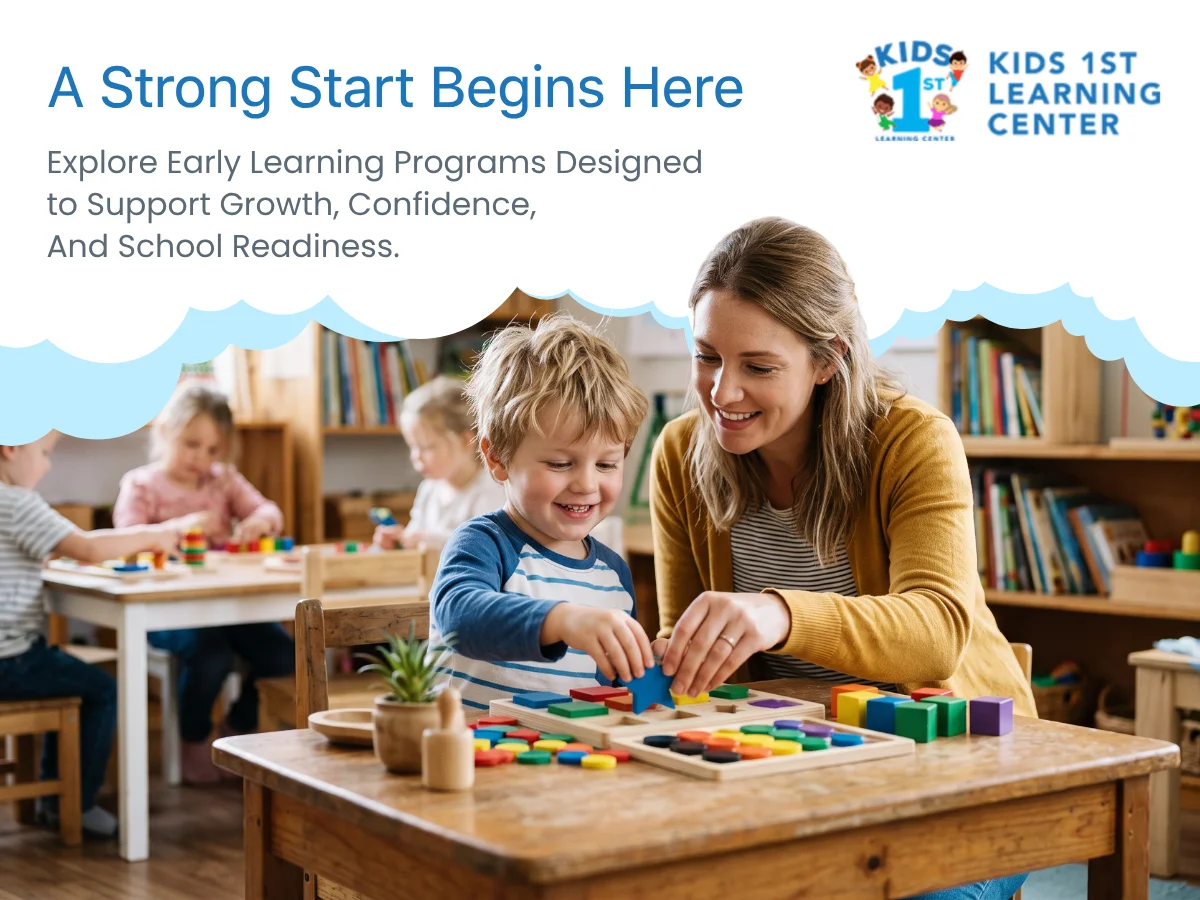
These areas often connect naturally during play. For example, building with blocks can introduce children to size, balance, comparison, planning, and cooperation. Story activities may strengthen listening, vocabulary, memory, and imagination. Outdoor experiences can encourage movement, observation, curiosity, and collaborative play.
Kids 1st Learning Center describes its Los Angeles County preschool curriculum as including literacy, mathematics, science, and the arts, with experiences intended to support social, emotional, and academic development. Its Cudahy location also highlights creative play spaces, outdoor education, and personal growth plans shaped around children’s interests and support needs.
Consider How Learning Is Personalized
Children may be the same age while developing at different rates. Parents should ask how educators observe progress, adapt activities, and provide additional encouragement when needed. Personalized support does not require children to complete entirely different lessons. It means educators understand each child well enough to offer suitable challenges, guidance, and opportunities.
A thoughtful preschool program should help children feel successful without placing unnecessary pressure on them. When learning experiences are age-appropriate, engaging, and responsive, children can develop new skills while maintaining their natural enthusiasm for discovery.
How to Evaluate an Affordable Preschool Near Cudahy
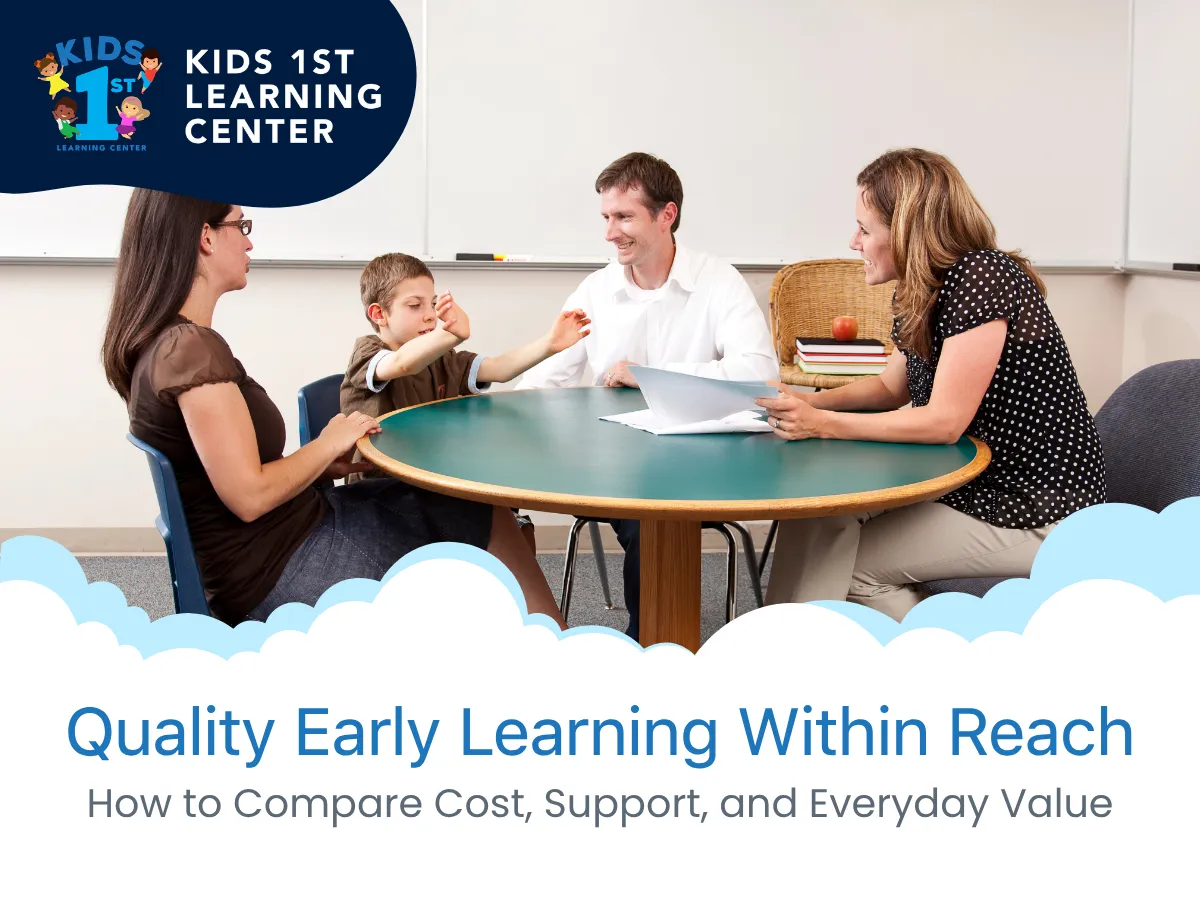
Finding an affordable preschool near Cudahy requires families to consider both cost and overall value. The lowest advertised price may not always represent the most practical option if the schedule, location, educational approach, or available support does not meet the family’s needs.
Review the Complete Cost of Enrollment
Before making a decision, parents should request clear information about:
- Tuition or program fees
- Registration costs
- Required deposits
- Payment schedules
- Late pickup charges
- Materials or activity fees
- Holiday and closure policies
- Financial assistance or subsidy options
Families should also confirm whether costs change according to attendance schedules or the number of hours a child receives care.
Ask About Subsidized Preschool Options
Some families may qualify for free or subsidized childcare based on factors such as income, household size, employment, education, or other program requirements. Eligibility is not automatic, and requirements may differ depending on the funding source. Parents should ask which programs are accepted, what documentation is required, and how long the approval process may take.
Kids 1st states that it works with programs and agencies to help eligible Los Angeles County families access free or subsidized childcare. The organization encourages families to contact its team for guidance on available assistance and eligibility steps.
Consider Practical Value for Your Family
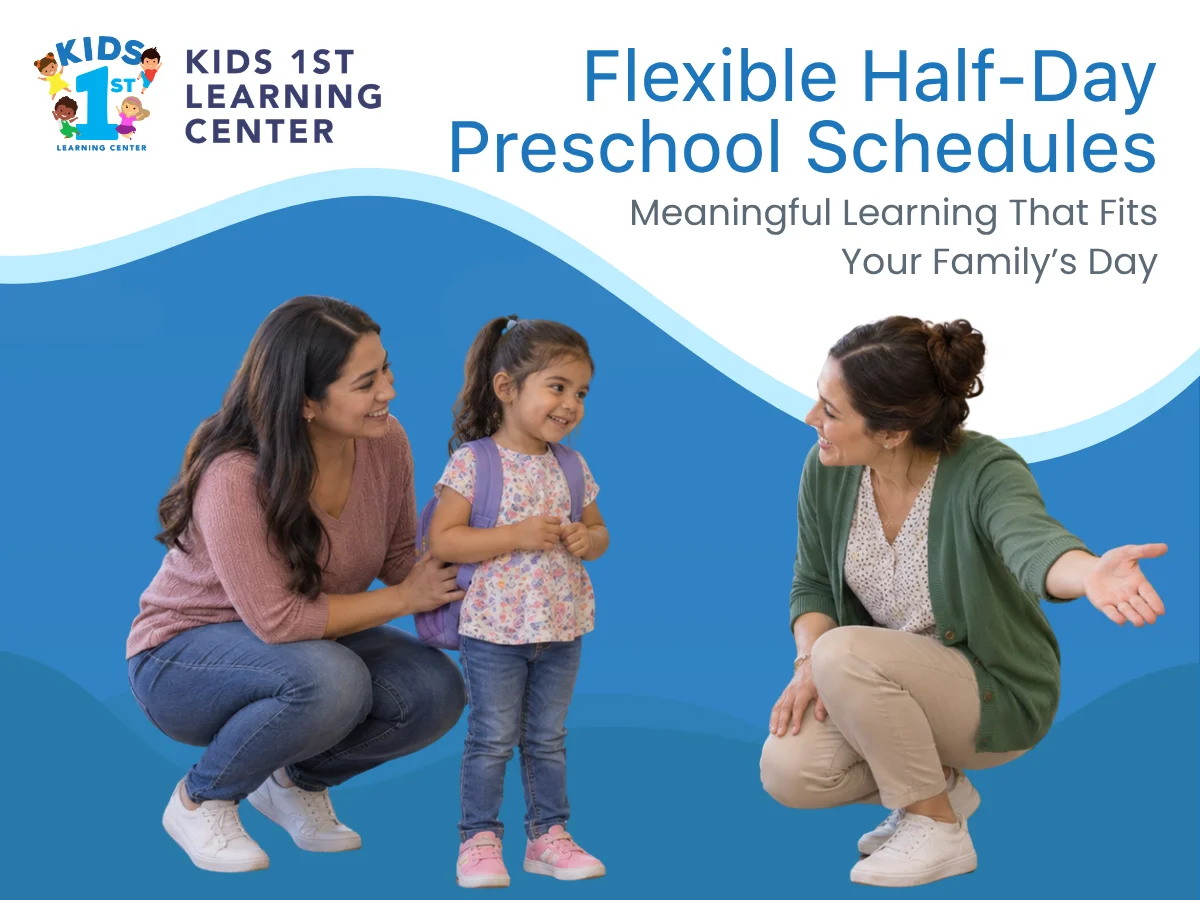
Affordability also includes the effect a program has on the household’s daily routine. A conveniently located preschool with suitable hours may reduce transportation time, missed work, and scheduling complications.
Parents should compare:
- The hours offered
- The preferred attendance schedule
- Travel time from home or work
- The consistency of the program calendar
- The support available during enrollment
An affordable program should provide transparent information, dependable care, and meaningful early learning while remaining manageable for the family’s circumstances.
What Families Can Expect From Affordable Preschool Programs in Cudahy
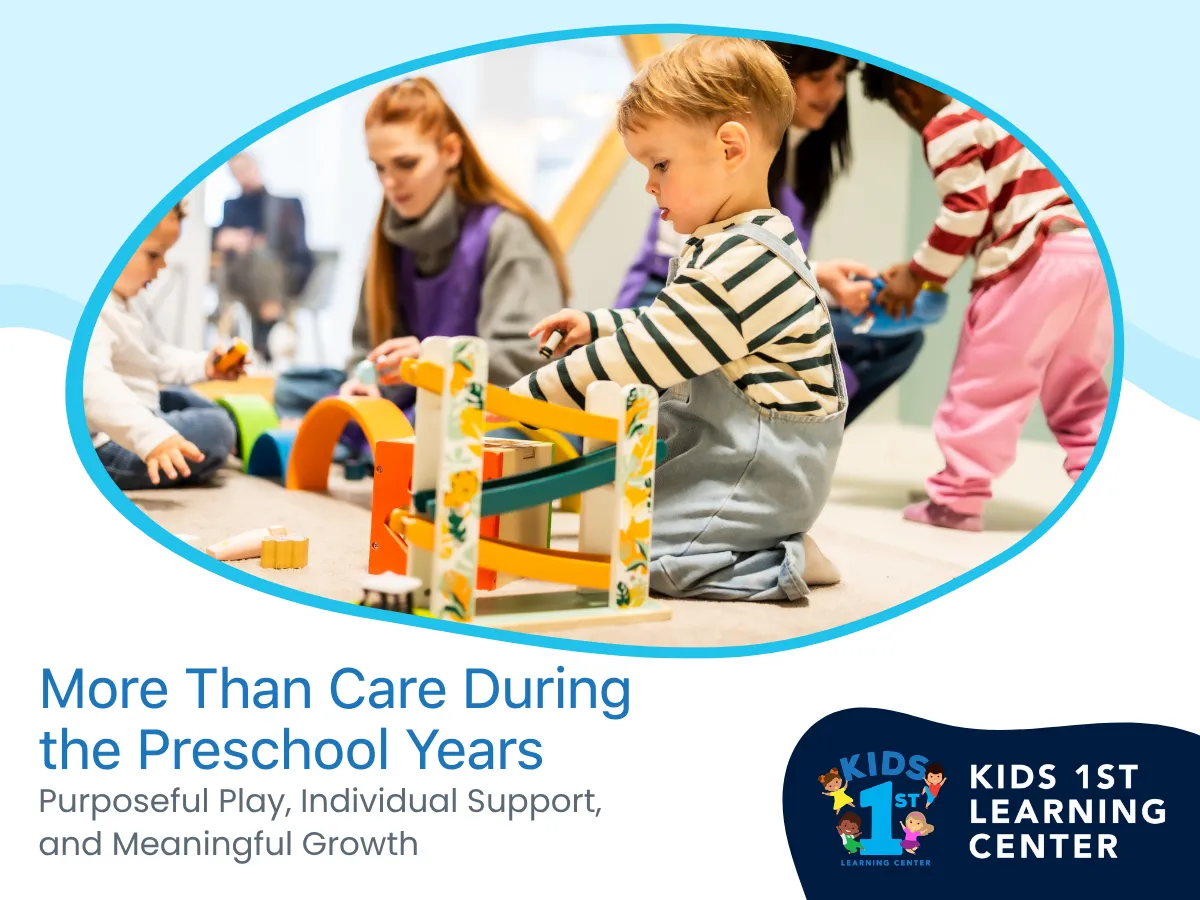
Quality affordable preschool programs in Cudahy should provide more than basic supervision. Children benefit from a structured but flexible day that gives them opportunities to learn, play, communicate, rest, move, and form secure relationships with educators and classmates.
Purposeful Learning Through Play
Play-based learning allows children to practice important skills in ways that feel relevant and enjoyable. A child arranging objects may be exploring patterns and classification. Pretend play can support language, imagination, cooperation, and an understanding of everyday experiences. Art activities may strengthen fine motor control, decision-making, and self-expression.
Kids 1st identifies playful learning, creative exploration, individualized attention, holistic development, and preparation for school as central features of its early childhood programs.
Consistent Routines With Room for Exploration
Predictable routines can help preschool children understand what happens next and participate more independently. A typical day may include:
- Arrival and welcome activities
- Small-group or whole-group learning
- Child-led exploration
- Creative experiences
- Indoor and outdoor movement
- Stories and language activities
- Quiet periods and transitions
The exact schedule may vary, but parents should look for a balance between educator-guided experiences and opportunities for children to make choices.
Support for the Whole Child
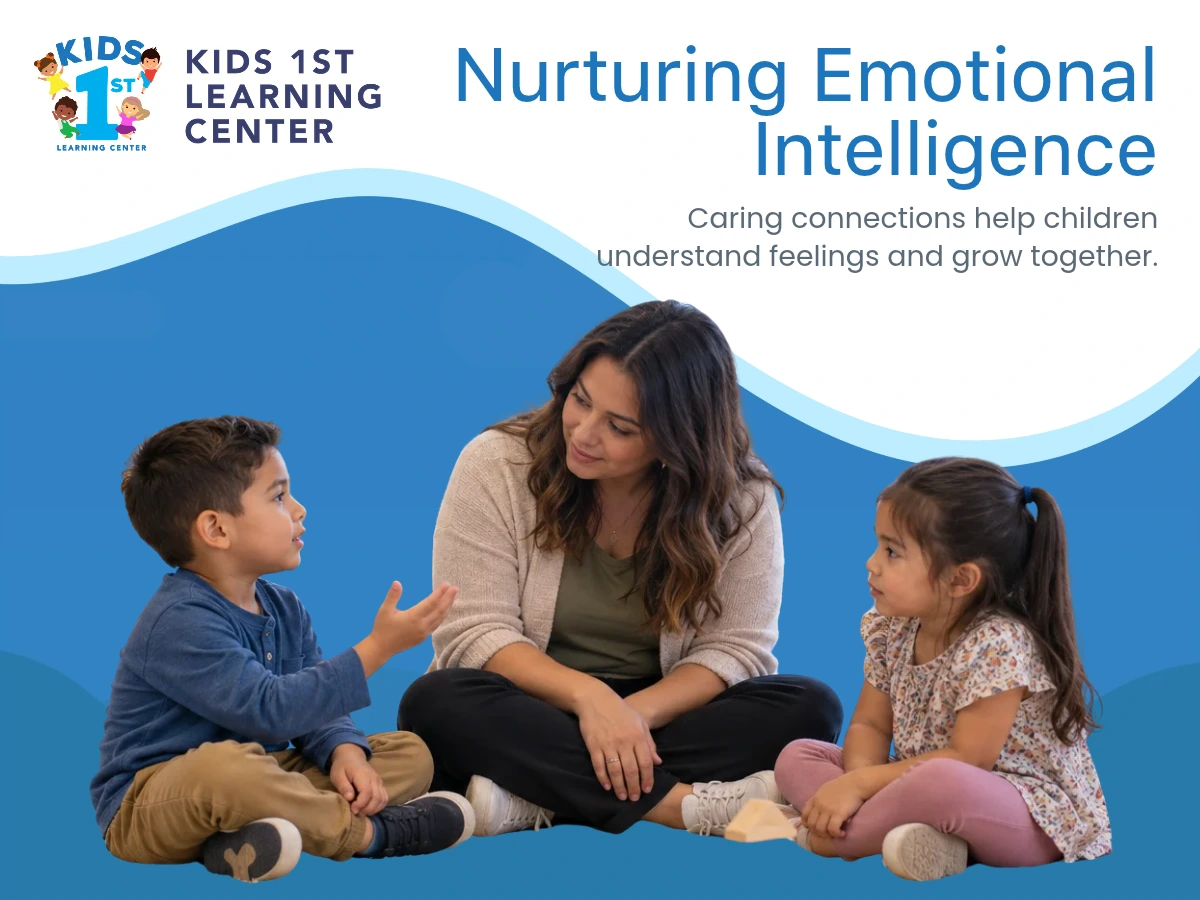
Preschool should help children grow across connected areas of development. Academic preparation is important, but children also need to practice taking turns, expressing needs, listening to others, resolving small conflicts, and completing manageable tasks independently.
Parents can ask how educators:
- Respond when a child becomes upset
- Encourage positive behavior
- Support children with different learning needs
- Track developmental progress
- Communicate concerns and achievements
- Prepare children for kindergarten routines
A strong program should treat affordability and quality as complementary priorities. Families should feel that their child is receiving attentive care, purposeful learning experiences, and developmentally appropriate support regardless of whether tuition is paid privately or assisted through a subsidy.
Building Strong Foundations Through Play-Based Early Learning
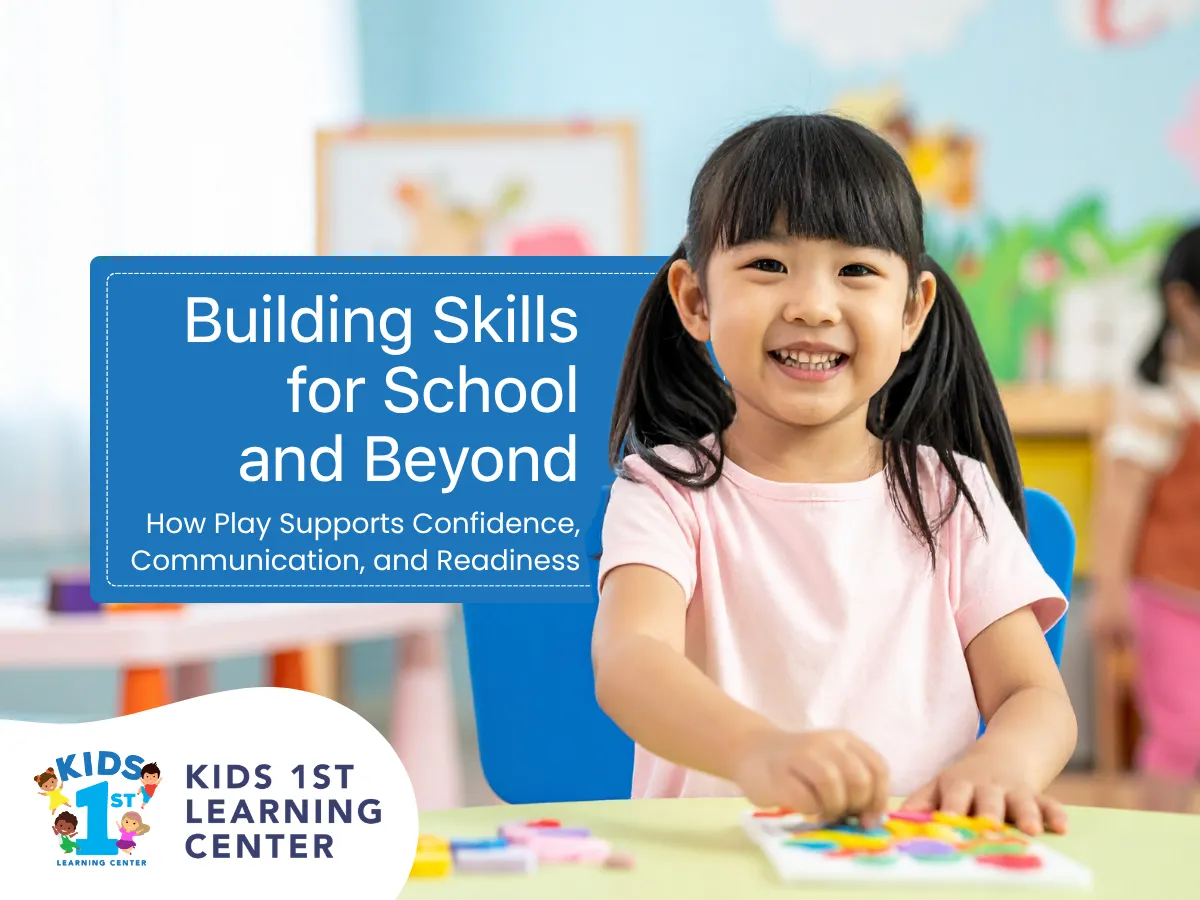
Early learning is most effective when children are active participants rather than passive recipients of information. Through play, conversation, movement, and guided exploration, preschool children can connect new ideas with experiences they already understand.
Skills That Support Kindergarten Readiness
School readiness includes academic abilities, but it also depends on communication, confidence, independence, and emotional regulation. Preschool can help children practice skills such as:
- Listening during a group activity
- Following simple directions
- Asking for help
- Expressing ideas and feelings
- Caring for personal belongings
- Moving between activities
- Working alongside other children
- Remaining engaged with an age-appropriate task
These abilities can make future classroom experiences feel more familiar and manageable.
The Role of Early Childhood Educators
Educators support learning by observing children and deciding when to guide, question, demonstrate, or allow independent discovery. Parents should ask how teachers plan experiences, assess progress, and adapt activities for children with different strengths and needs.
Family Partnership Matters
Children benefit when families and educators communicate consistently. Before enrolling, parents can ask how the preschool shares:
- Daily information
- Developmental observations
- Classroom updates
- Upcoming events
- Changes in routine
- Concerns requiring family input
Families should also feel comfortable sharing information about their child’s interests, routines, culture, language, and current needs. This exchange helps educators provide more responsive support.
The right program should offer children a secure environment where they can explore new ideas, form positive relationships, and become increasingly independent. When families review the curriculum, teaching approach, communication practices, and practical arrangements together, they can make a more informed preschool decision.
Conclusion
Choosing among Cudahy preschool programs is an important step that can influence how a child experiences learning, relationships, and classroom routines. Families can approach the decision with greater confidence by considering developmental support, educator experience, affordability, scheduling, and communication. A suitable preschool should provide a safe and nurturing setting while giving children meaningful opportunities to play, create, ask questions, and practice new skills.
Kids 1st Learning Center supports eligible Los Angeles County families with early education and subsidized childcare options. Contact the team to discuss the Cudahy program and current enrollment availability. Call (818) 873-0133 or visit https://kids1st.org/contact-kids-1st/.