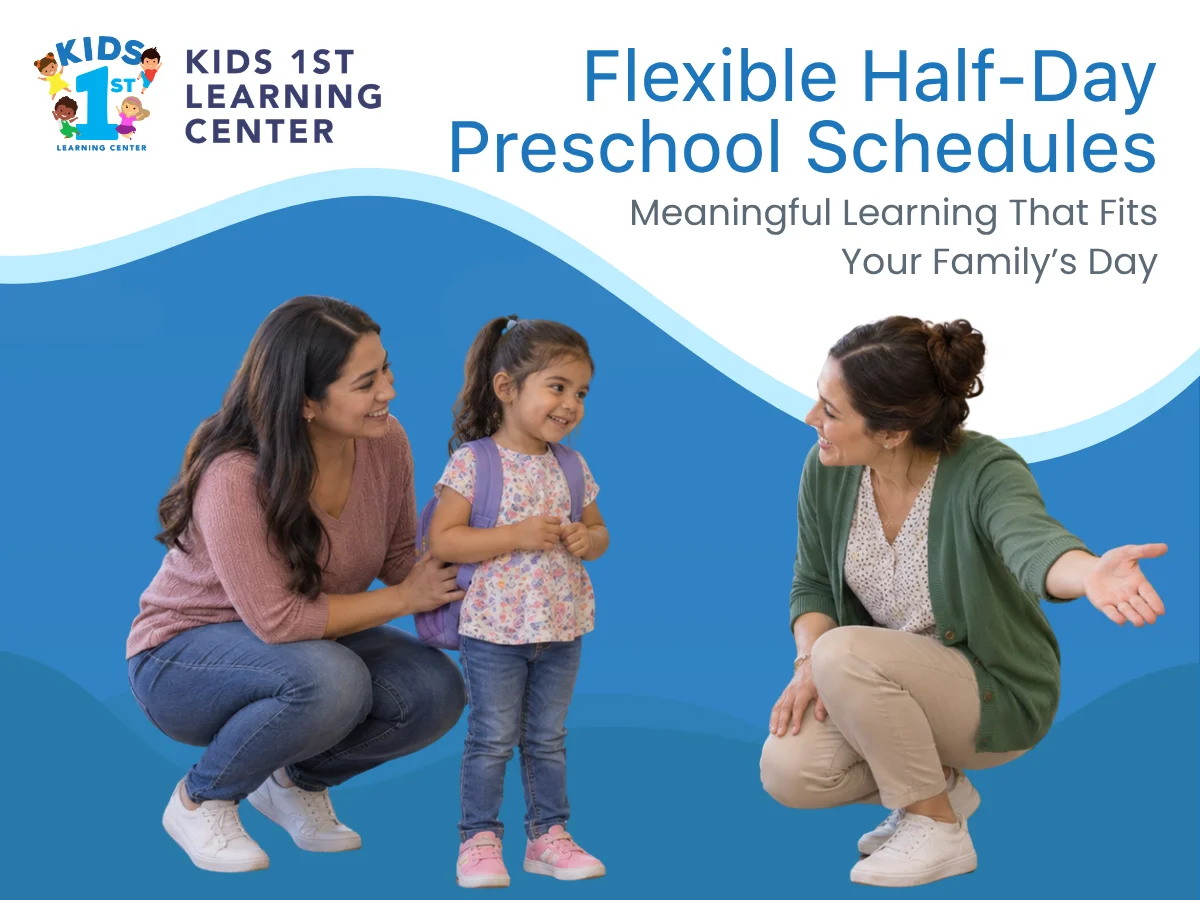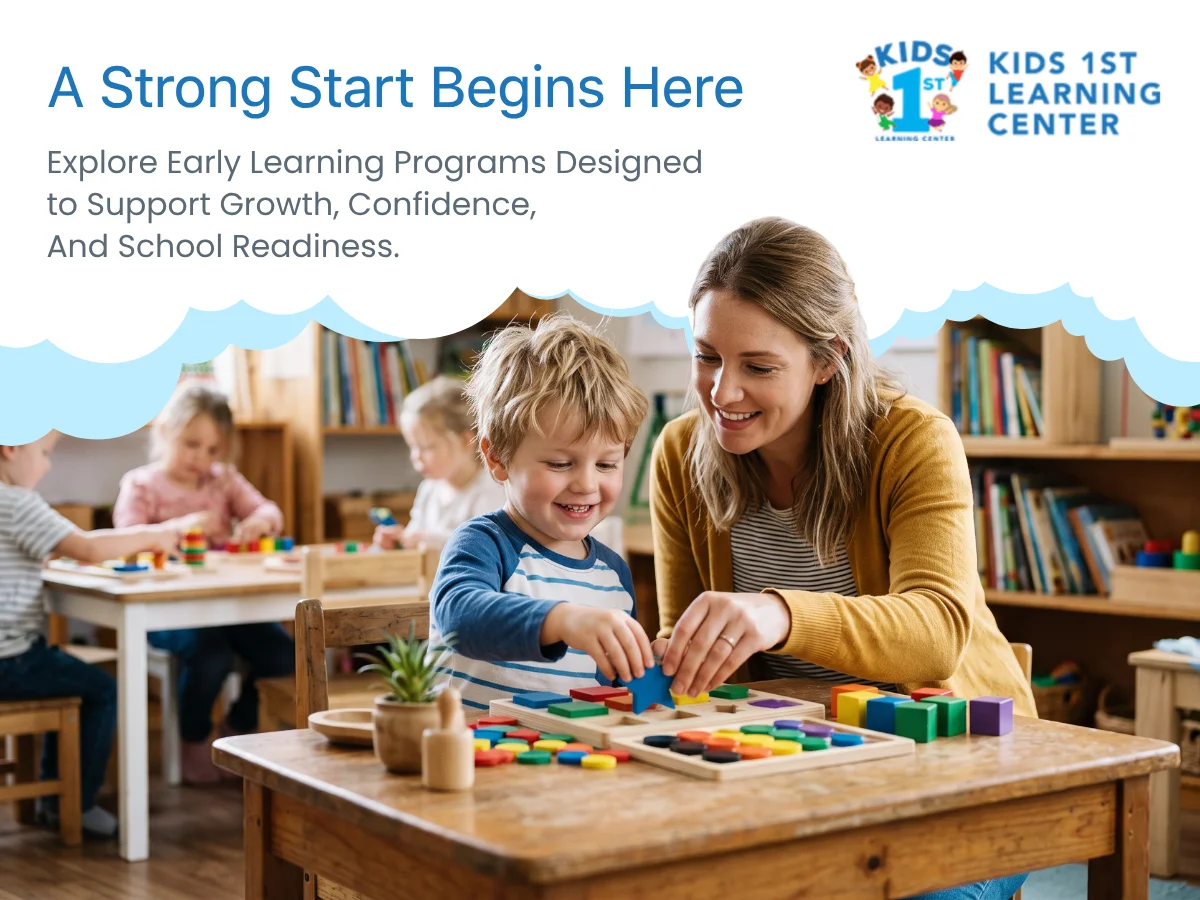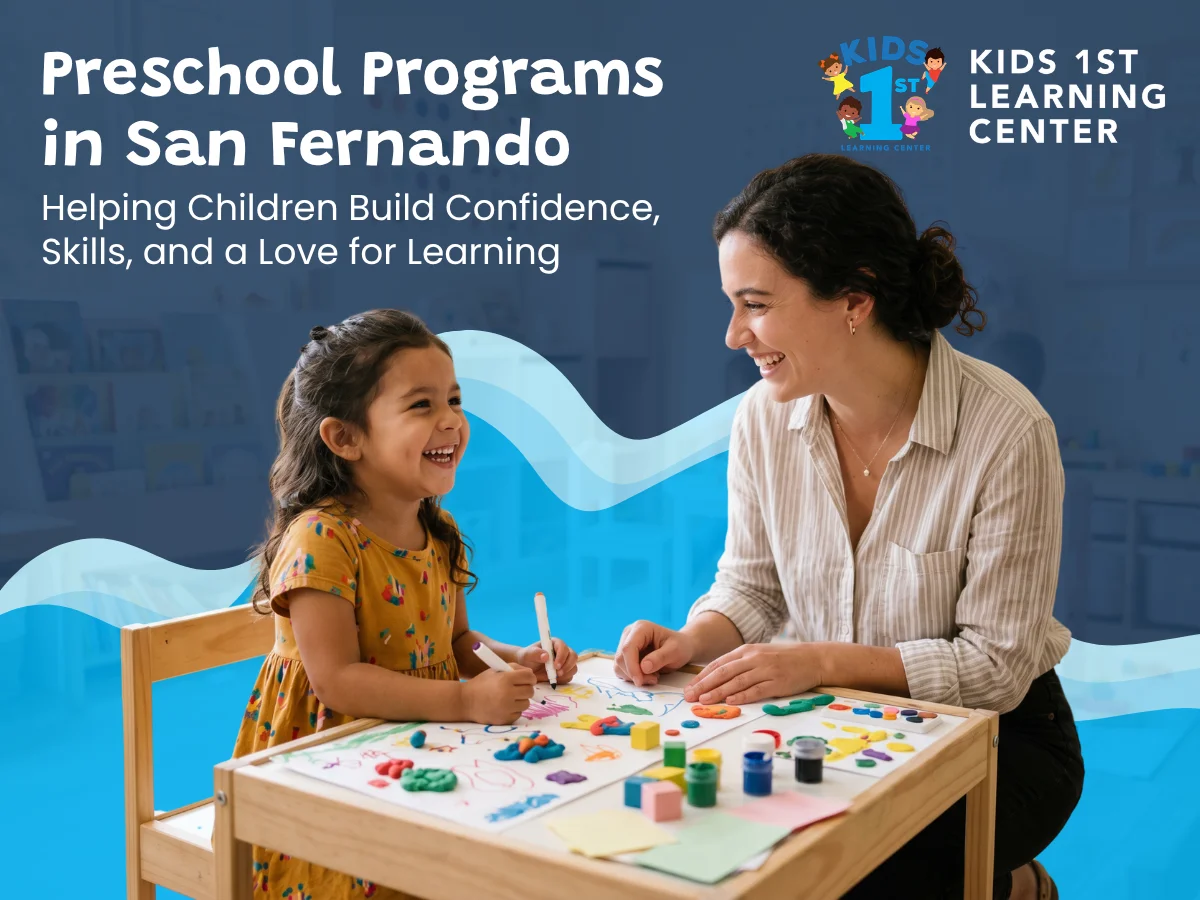

Half-day preschool vs full-day preschool programs is an important topic for families deciding which early learning schedule best supports their child’s needs. Both options can offer meaningful benefits, but the right choice often depends on a child’s age, energy level, social readiness, family schedule, and learning goals.
Half-day programs may provide a gentle introduction to school routines, while full-day programs can offer more time for consistency, enrichment, peer interaction, and skill-building. By understanding the possible outcomes of each option, parents can make a more informed decision that supports their child’s confidence, development, and long-term school readiness.
Preschool Programs for 3-Year-Olds: Benefits in Early Development
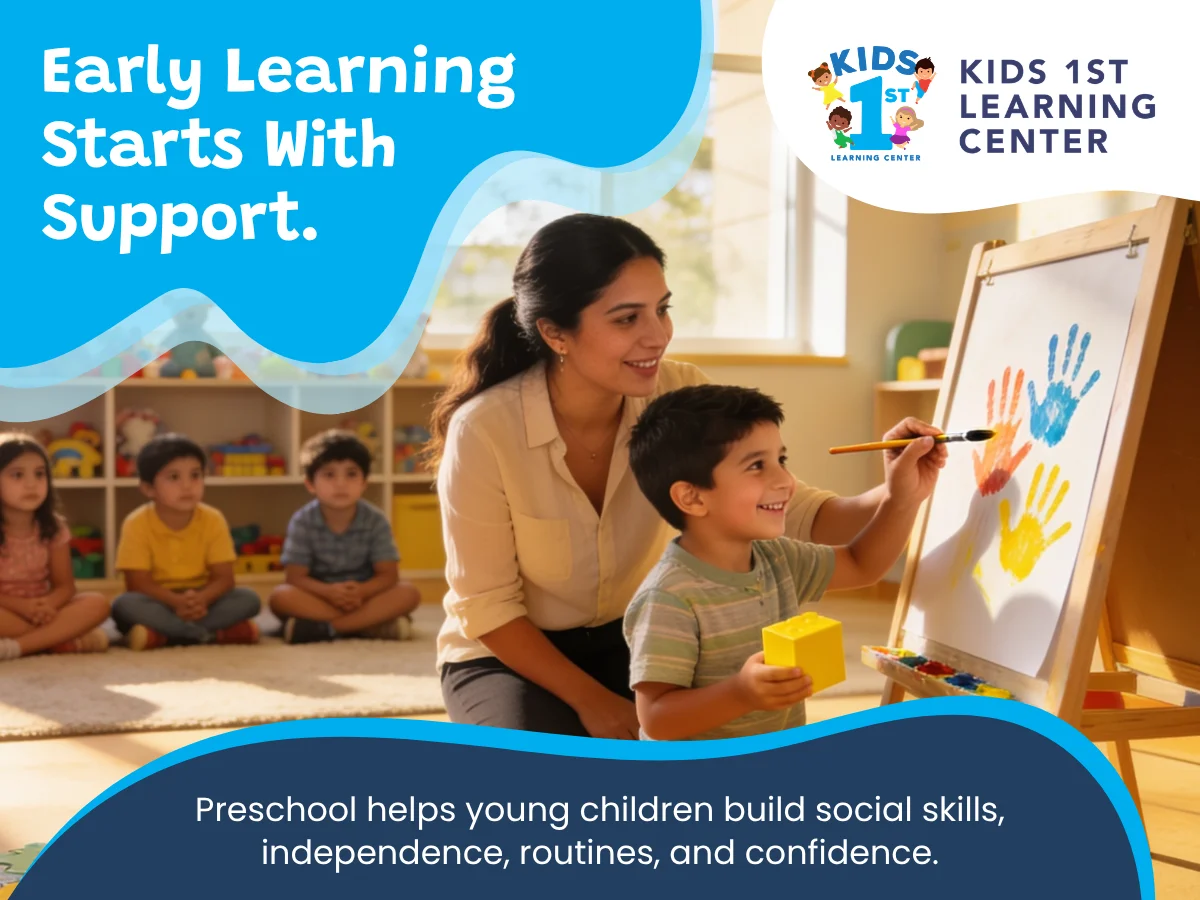
Preschool can be a meaningful step for three-year-olds as they begin building independence, confidence, and early learning habits. At this age, children are developing quickly across many areas, including language, movement, social awareness, emotional regulation, and problem-solving. A well-designed preschool program provides a safe, nurturing environment where they can practice these skills with guidance from caring teachers.
One of the strongest benefits of preschool for three-year-olds is steady exposure to routines. Simple daily patterns, such as arrival, circle time, play centers, snack, outdoor time, and clean-up, help children understand expectations. These routines support confidence because children begin to feel more secure in what comes next.
Preschool also helps young children grow through age-appropriate experiences, such as:
- Learning to share and take turns
- Building early language through songs, stories, and conversation
- Strengthening fine motor skills through art, blocks, and sensory play
- Practicing listening and following simple directions
- Developing confidence away from parents or caregivers
- Exploring early concepts like colors, shapes, letters, and numbers
For many children, the social benefits are just as important as the academic ones. Three-year-olds are learning how to express feelings, solve small conflicts, ask for help, and play alongside others. With patient teacher support, these everyday moments become important growth opportunities.
Preschool programs for 3-year-olds can also include smoother preparation for future school experiences. Children become familiar with classroom expectations while still having time for play, rest, creativity, and exploration. The goal is not to rush development, but to support it with warmth and consistency.
When preschool is thoughtfully structured, three-year-olds gain more than early learning exposure. They begin developing the emotional, social, and practical skills that help them feel ready for the next stage of childhood.
Part-Time Preschool Schedule Advantages for Young Learners
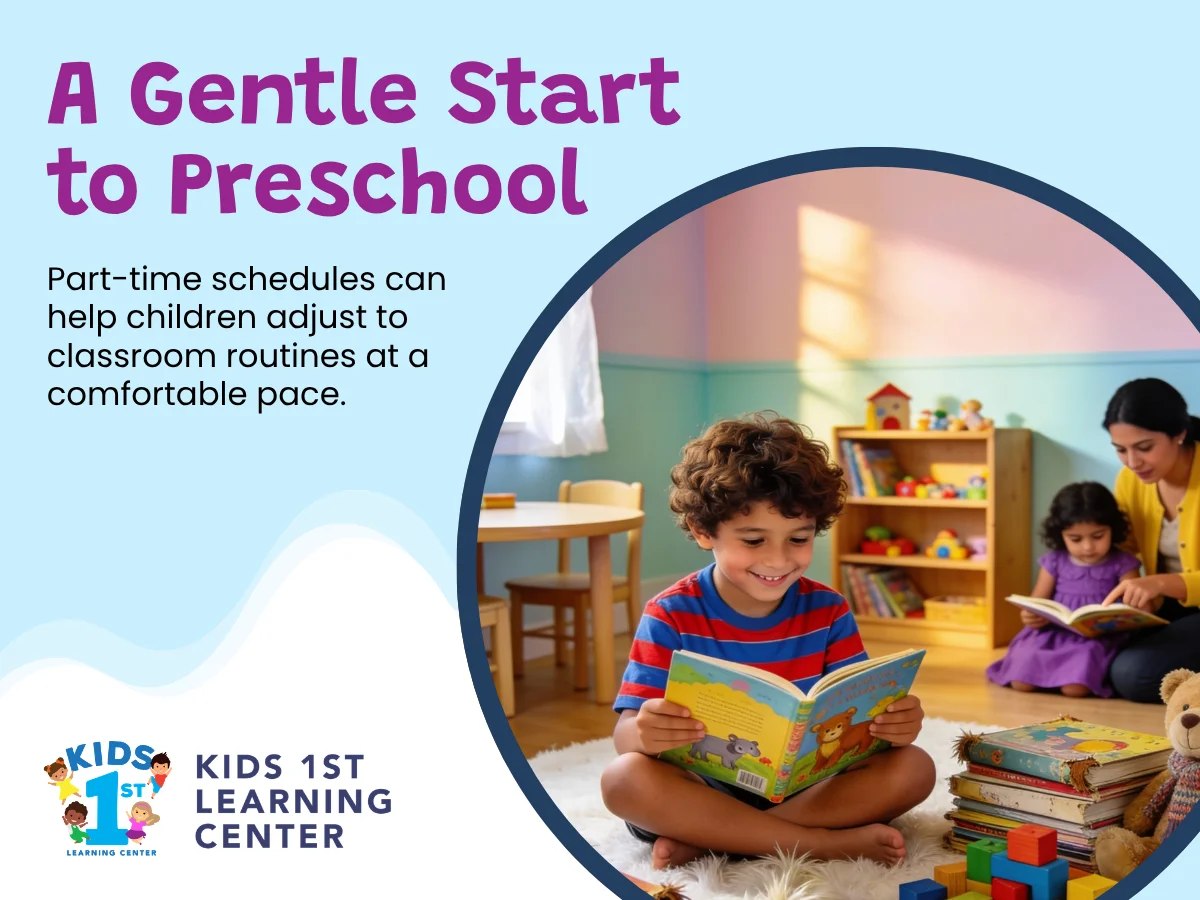
A part-time preschool schedule can be a helpful option for young children who are still adjusting to structured learning outside the home. For many families, it provides a balanced introduction to school while allowing children to maintain familiar routines, rest periods, and family time. This can be especially valuable for children who may not be ready for a longer school day.
One of the main advantages of a part-time schedule is that it gives children meaningful exposure to the preschool environment without overwhelming them. They can practice classroom routines, interact with peers, and participate in guided learning while still having time to recharge at home.
Part-time preschool may support young learners by offering:
- A gentle transition into school routines
- More time for rest and family connection
- Opportunities for social development in shorter sessions
- Early exposure to teachers, peers, and classroom expectations
- A manageable pace for children who tire easily
- Flexibility for families with changing schedules
This type of schedule can also help parents observe how their child responds to group care. Some children quickly adjust and may be ready for longer days later, while others benefit from a slower transition. A part-time program gives families time to understand their child’s comfort level, attention span, and social readiness.
However, the program’s quality still matters. A shorter day should still include purposeful learning, caring teacher interaction, play-based exploration, and consistent routines. The goal is not simply fewer hours, but meaningful hours that support development.
When thoughtfully designed, a part-time preschool schedule can offer benefits such as increased confidence, independence, and early school readiness at a pace that feels appropriate for the child. For many young learners, this balanced approach creates a positive first experience with preschool.
Preschool Learning Outcomes: Differences Between Half-Day and Full-Day Programs
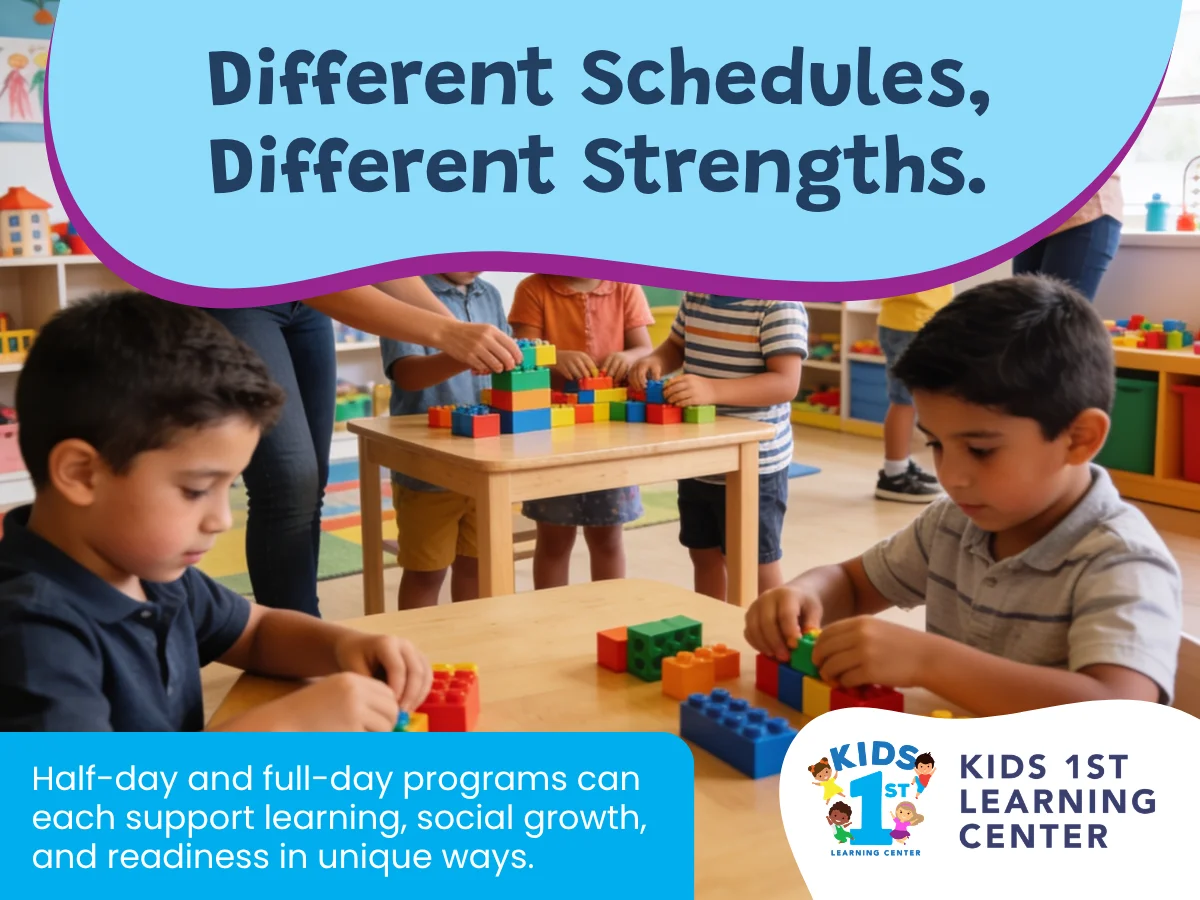
Preschool learning outcomes can vary depending on a child’s schedule, personality, developmental stage, and the quality of the program. Both half-day and full-day preschool can support meaningful growth, but they often provide different amounts of time for practice, repetition, social interaction, and independent skill-building.
In a half-day program, children may experience a focused introduction to classroom life. They can participate in core activities such as circle time, centers, stories, music, art, and outdoor play. This shorter format can work well for children who are new to preschool or who benefit from a gradual transition.
Full-day preschool often allows for a broader daily rhythm. Children may have more time to revisit concepts, build friendships, practice self-help skills, and move through the day at a calmer pace. With more hours available, teachers can include structured learning, creative play, meals, rest, outdoor exploration, and enrichment activities without rushing.
Key preschool learning outcomes differences may include:
- Social Skills: Full-day programs may provide more time for peer interaction, while half-day programs offer shorter but meaningful social practice.
- Independence: Longer days often give children more opportunities to manage routines, belongings, transitions, and self-care tasks.
- Academic Readiness: Both schedules can support early literacy, math, and problem-solving, but full-day programs may allow for more reinforcement.
- Emotional Adjustment: Half-day programs may feel gentler for some children, while full-day programs can help others build stronger consistency.
- Routine Confidence: More time in the classroom can help children become comfortable with daily expectations.
The best schedule is not always the longest one. It is the one that matches the child’s readiness and provides strong, nurturing instruction. When families understand the differences in outcomes, they can choose a preschool program that supports both learning and emotional well-being.
Choosing the Right Preschool Program for Your Child
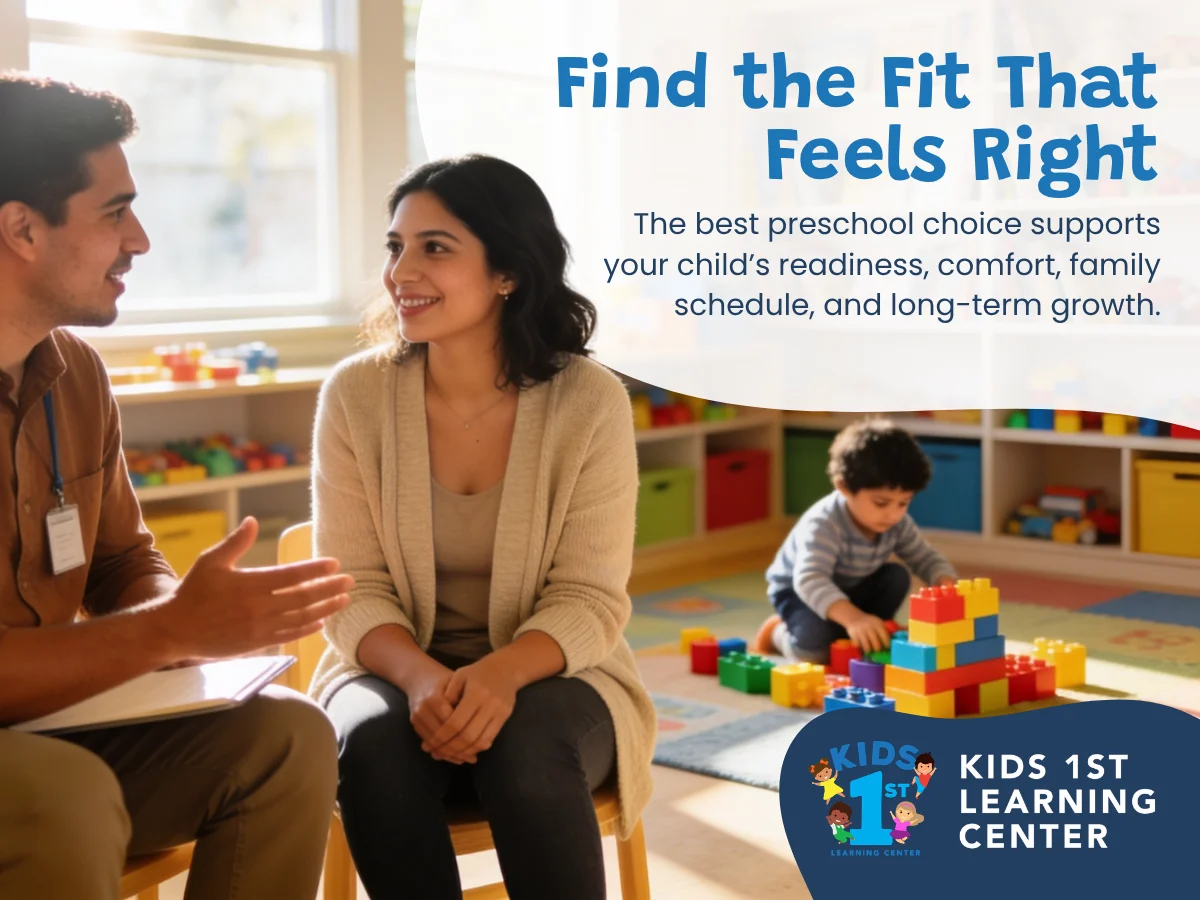
Choosing between half-day and full-day preschool should begin with your child’s individual needs. Every child develops at a different pace, and the best program is one that supports their learning, comfort, confidence, and daily rhythm. Some children thrive with a shorter schedule that allows for gradual adjustment, while others benefit from the consistency and expanded learning time of a full-day program.
Parents may want to consider several factors before making a decision:
- Energy Level: Does your child become tired quickly, or do they enjoy longer periods of activity?
- Social Readiness: Are they comfortable around other children, or would a slower transition be helpful?
- Independence: Can they manage simple routines, such as clean-up, handwashing, and following directions?
- Family Schedule: Does your family need a longer care option for work or daily responsibilities?
- Learning Goals: Would your child benefit from more time for enrichment, peer interaction, and skill practice?
It is also important to look beyond the schedule itself. A strong preschool program should include caring teachers, safe classrooms, engaging activities, clear communication, and routines that support each child’s growth. Whether the program is half-day or full-day, quality matters most.
Families should also take time to tour the preschool, ask questions, and observe how the classroom feels. A welcoming environment should feel organized, nurturing, and developmentally appropriate. Teachers should be able to explain how they support learning, transitions, rest, social growth, and communication with parents.
The right preschool program should help your child feel secure while encouraging independence and curiosity. When parents choose a schedule that fits both the child and the family, preschool can become a positive foundation for future learning and school readiness.
Conclusion
Both half-day and full-day preschool programs can provide valuable early learning experiences when they are built around a child’s developmental needs. The best choice depends on more than the number of classroom hours. Parents should consider their child’s age, energy level, social comfort, independence, and readiness for a longer daily routine.
A half-day program may offer a gentle introduction to school, giving children time to build confidence at a steady pace. A full-day program may provide more consistency, deeper peer connections, and additional opportunities for learning through play, routines, and enrichment. In either option, the most important factors are the quality of the teachers, the safety of the environment, the strength of the curriculum, and the care shown to each child.
To learn more about preschool options at Kids 1st, call (818) 873-0133 or visit https://kids1st.org/contact-kids-1st/.