
Free childcare programs can make a meaningful difference for families who need safe, reliable, and affordable care for their children. These programs are designed to help parents access early education and support services while reducing the financial strain of childcare costs.
Depending on the program, assistance may come from government funding, nonprofit organizations, or community-based initiatives that support working families, students, and individuals facing economic hardship. Understanding how these programs work, who qualifies, and where funding comes from can help parents make informed decisions and find the finest care options for their child’s needs.
Government Funded Childcare Options Available to Families
Government-funded childcare programs can help families access dependable care while easing the financial burden of tuition and daily child care costs. These options are often created to support working parents, students, and households facing economic challenges, while also giving children access to safe, enriching early learning environments.
Common Program Types
Families may find support through several types of programs, including:
- Child care subsidy programs that cover part or all of tuition
- State-funded preschool for eligible preschool-age children
- Head Start and Early Head Start for qualifying families
- Voucher-based assistance that can be used with approved providers
- Local community programs supported by public funding
What These Programs May Cover
Coverage can vary by program and location. Some options focus only on basic child care, while others also include early education, meals, developmental screenings, and family support services. Certain programs are designed for infants and toddlers, while others primarily serve preschool-age children preparing for kindergarten.
What Parents Should Expect
Most programs require an application and supporting documents, such as proof of income, employment, residency, or household size. Approval may result in full funding or partial assistance, depending on the family’s circumstances. Because rules and availability can vary by state or county, parents should carefully review local requirements before applying.
Why These Options Matter for Parents
Affordable childcare does more than lower monthly expenses. It can help parents stay employed, continue their education, and maintain a stable routine for their family. For children, access to a quality program can support social, emotional, and early academic development in a safe and nurturing environment.
Because availability can vary by location, parents should always check what programs are offered in their area and review current eligibility guidelines before applying.
Childcare Assistance Eligibility Requirements Parents Should Understand
Childcare assistance programs are designed to help families access affordable care, but eligibility rules can vary by state, county, or program type. While each option has its own requirements, most programs review a family’s financial situation, household needs, and the child’s age before determining whether support is available.
Common Factors That Affect Eligibility
Parents are often asked to provide information related to:
- Household income
- Family size
- Employment status
- School or job training participation
- Child’s age
- Residency within the program’s service area
In many cases, assistance is prioritized for families with lower incomes, single parents, or households with a documented need for reliable childcare during work or school hours.
Program-Specific Requirements
Some childcare assistance programs are broad, while others are designed for specific groups. For example, one program may focus on infants and toddlers, while another may support preschool-aged children preparing for kindergarten. Certain options may also give priority to children with developmental needs, families experiencing homelessness, or those receiving other public assistance.
Documents Parents May Need
To confirm childcare assistance eligibility, families may be asked to submit:
- Proof of income
- Pay stubs or employment verification
- Proof of address
- Identification for parent or guardian
- Child’s birth certificate or age documentation
Keeping these documents organized can make the application process more manageable and help prevent delays.
Why It Is Important to Review the Details Carefully
Even when two programs seem similar, their eligibility standards may differ. A family may qualify for one type of support but not another. Reviewing the specific guidelines, deadlines, and required paperwork can help parents identify the best available option and move through the process with greater confidence.
How to Qualify for Free Daycare Step by Step
Understanding how to qualify for free daycare often begins with knowing that requirements can vary by program and location. While each state or agency may have its own process, most families will move through a similar set of steps. Taking the time to prepare in advance can make the process feel more manageable and increase the chances of finding the right support.
Step 1: Research Programs Available in Your Area
Start by identifying the free daycare or childcare assistance programs offered in your city, county, or state. Some families may qualify for public preschool, subsidy programs, or early childhood initiatives funded through local or federal sources. It is important to review each option carefully, since not every program serves the same age group or family situation.
Step 2: Review Basic Eligibility Requirements
Before applying, check whether the program has rules related to income, employment, school enrollment, residency, or your child’s age. Some programs are designed for working parents, while others support families in training programs or households experiencing financial hardship.
Step 3: Gather Required Documents
Many applications require supporting paperwork. This may include:
- Proof of income
- Employment or school verification
- Proof of address
- Identification for the parent or guardian
- Birth certificate or age verification for the child
Having these documents ready can help prevent delays.
Step 4: Submit the Application and Follow Up
After submitting the application, families may need to complete an interview, respond to document requests, or join a waitlist. Following up with the program can help parents stay informed about next steps and timelines.
Step 5: Confirm Placement and Ongoing Requirements
If approved, families should review the program’s coverage, attendance expectations, and any renewal requirements. Some free daycare programs require updates to income or work status over time, so staying organized is important for keeping benefits in place.
What Services and Age Groups These Programs Usually Cover
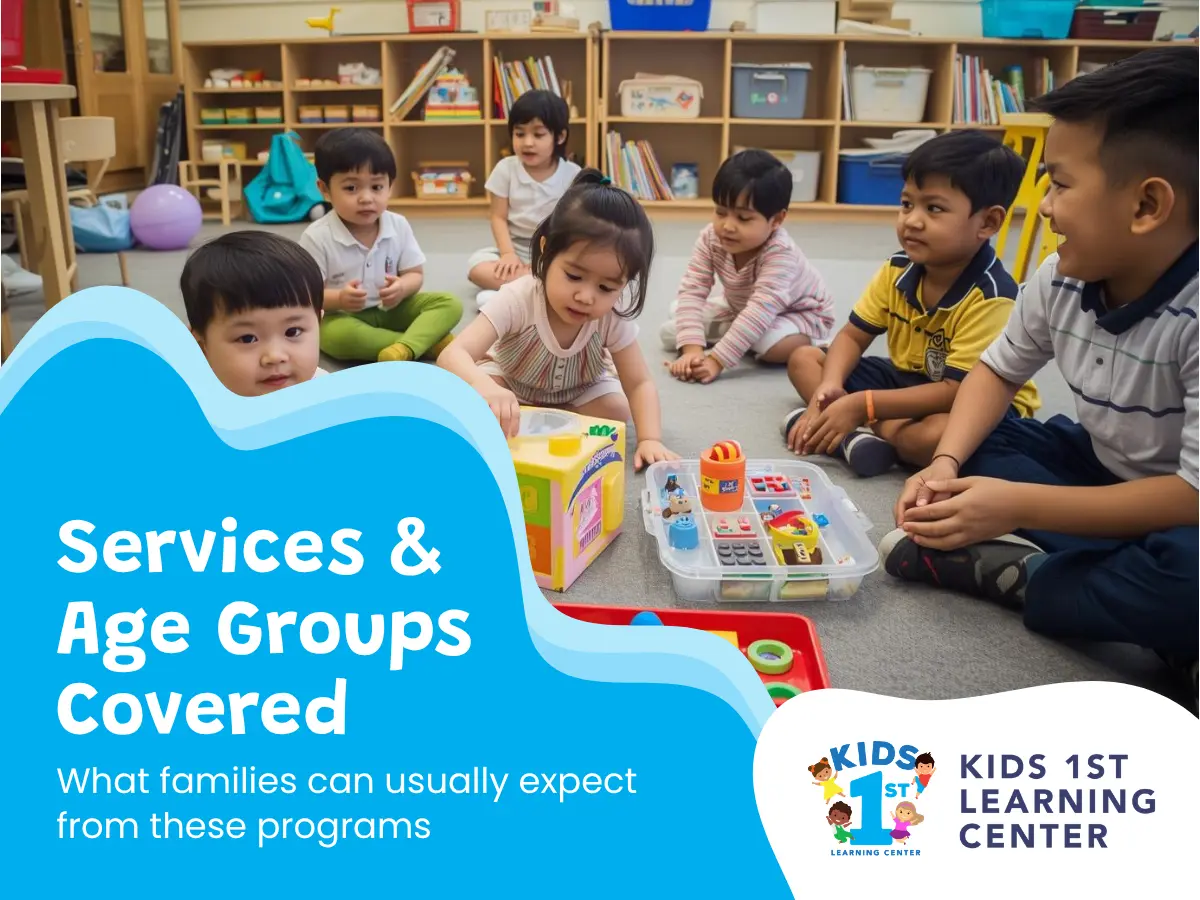
Free childcare programs can vary widely, but many are designed to support both the practical needs of families and the early development needs of children. Some programs provide basic daily care so parents can work or attend school, while others offer a more comprehensive experience that includes learning, meals, and family support services. Understanding what is covered can help parents identify which option best fits their child’s stage of development.
Common Services Families May Receive
Depending on the program, services may include:
- Safe, supervised childcare during work or school hours
- Early learning activities that support school readiness
- Meals and snacks that meet nutrition guidelines
- Developmental screenings and milestone monitoring
- Social and emotional learning opportunities
- Parent resources, referrals, or family support services
In some cases, programs also connect families with health, speech, or behavioral support when additional needs are identified.
Age Groups Often Served
Coverage often depends on funding rules and the program’s purpose. Many options are organized by age, such as:
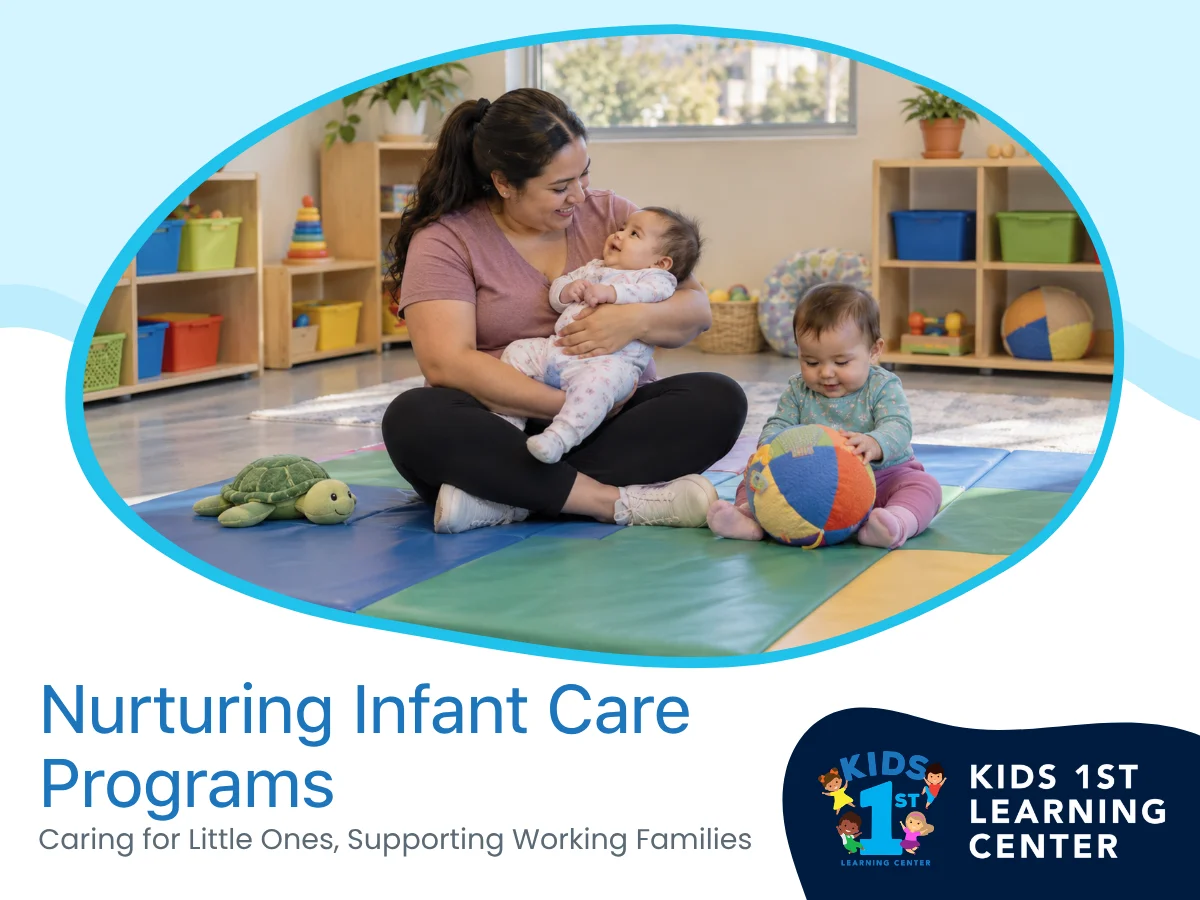
- Infants and toddlers: care focused on safety, routines, sensory learning, and early development
- Preschool-age children: structured learning, social development, and kindergarten readiness
- School-age children: before-school, after-school, or seasonal care for older children
Some programs begin in infancy, while others are specifically created for children ages three to five.
Why Coverage Details Matter
Not every free childcare program offers full-day care, year-round availability, or the same level of educational support. A program may meet one family’s scheduling needs but not another’s. Parents should carefully review hours, age eligibility, curriculum, and additional services to ensure the program aligns with their child’s needs and their family’s routine.
By looking closely at both services and age groups, families can make more informed choices and focus on programs that offer meaningful support at the right stage of childhood.
Conclusion
Finding the right childcare support can feel overwhelming, especially when families are trying to balance cost, availability, and their child’s developmental needs. Free childcare programs can open the door to safe care, early learning opportunities, and valuable family resources that make day-to-day life more manageable. By understanding the types of programs available, how eligibility works, and what services may be included, parents can approach the process with greater clarity and confidence. A well-informed decision can help families secure care that supports both their immediate needs and their child’s long-term growth.
To learn more about childcare options and family support, contact Kids 1st at (818) 873-0133 or visit https://kids1st.org/contact-kids-1st/.