
Choosing the best daycare in Bell Gardens, CA means looking for an environment that supports how children feel, connect, and learn. In the early years, everyday experiences give children chances to recognize emotions, express their needs, and begin to understand other people’s perspectives. These developing abilities can support friendships, problem-solving, and participation in classroom activities.
With patient guidance, children gradually learn how to approach challenges and seek support when feelings become overwhelming. Early learning programs can nurture this growth through responsive relationships, purposeful play, and predictable routines, helping children build a foundation for both social connection and continued learning.
Exploring Emotional Intelligence at Bell Gardens Preschool Academy
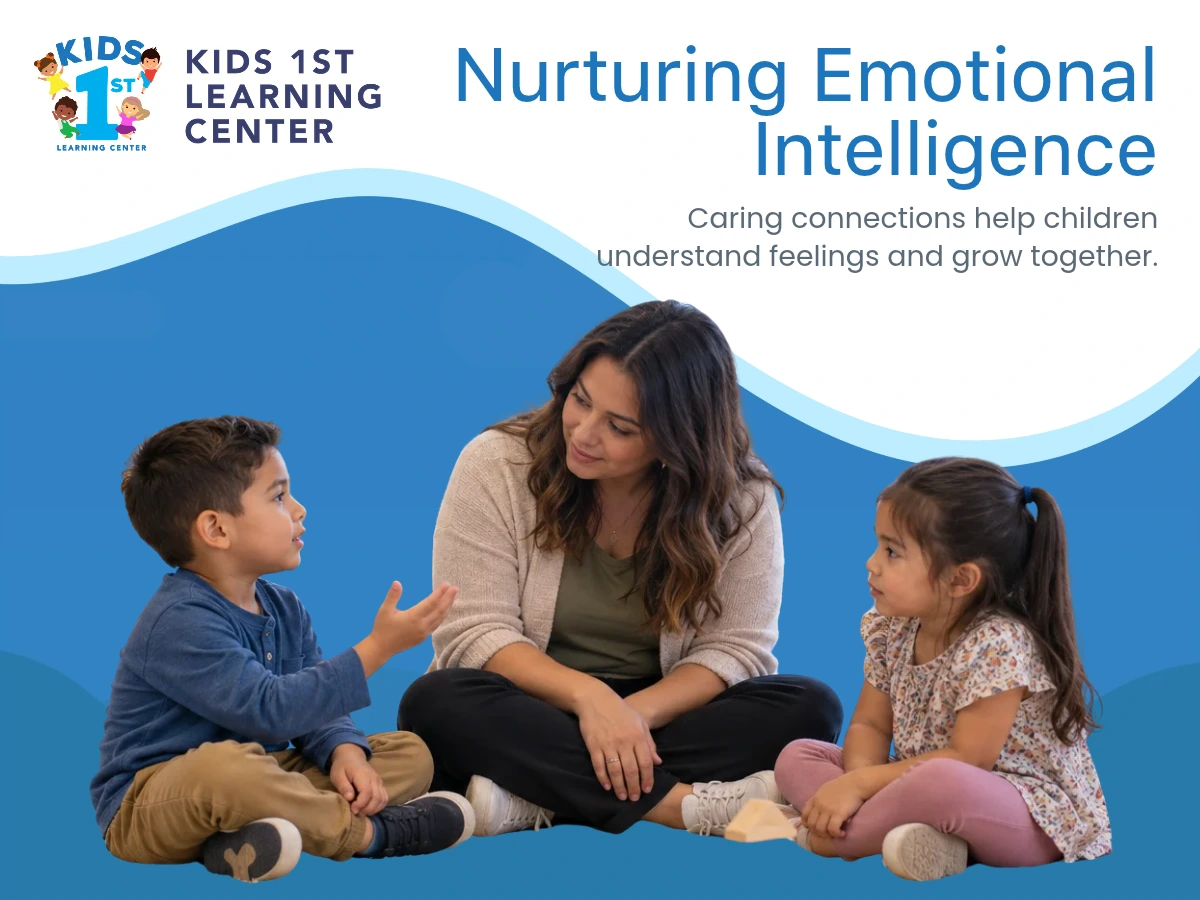
Emotional intelligence starts with noticing feelings and understanding how emotions influence behavior. Young children develop this through repeated interactions with adults who listen, respond, and offer guidance. Kids 1st Bell Gardens Preschool Academy prioritizes emotional expression, understanding others, and constructive conflict resolution in its early education approach.
Giving Children Language for Their Feelings
Children may experience frustration, excitement, or disappointment before they have the words to explain it. Adults can help by naming feelings gently and connecting them to a situation.
For example, a teacher might say, “You seem disappointed that the painting area is full. You wanted to finish your picture.” This offers useful language without requiring the child to stop feeling upset right away.
Books, puppets, and photographs can also invite conversations about emotions:
- What might this character be feeling?
- What happened that could explain their expression?
- What could someone do to offer support?
These questions encourage observation while allowing multiple interpretations.
Making Room for Feelings While Maintaining Boundaries
Emotional learning includes understanding that all feelings can be acknowledged, while some actions require limits. A child who is angry about waiting still needs support to keep others safe.
A calm response might be: “You wanted that truck. I will help you wait, but I cannot let you hit.”
The adult can then remain nearby, offer comfort, and guide the next step. At this age, emotional regulation often depends on adult support rather than independent self-control.
Recognizing Progress in Everyday Interactions
Growth may appear when a child names a feeling, accepts comfort, or asks for help during a disagreement. These moments are meaningful even when difficult reactions still occur.
The aim is to help children understand their experiences and gradually expand their ways of responding. Patience gives them space to practice without feeling that strong emotions represent failure.
How Early Childhood Education in Bell Gardens Supports Thinking Skills
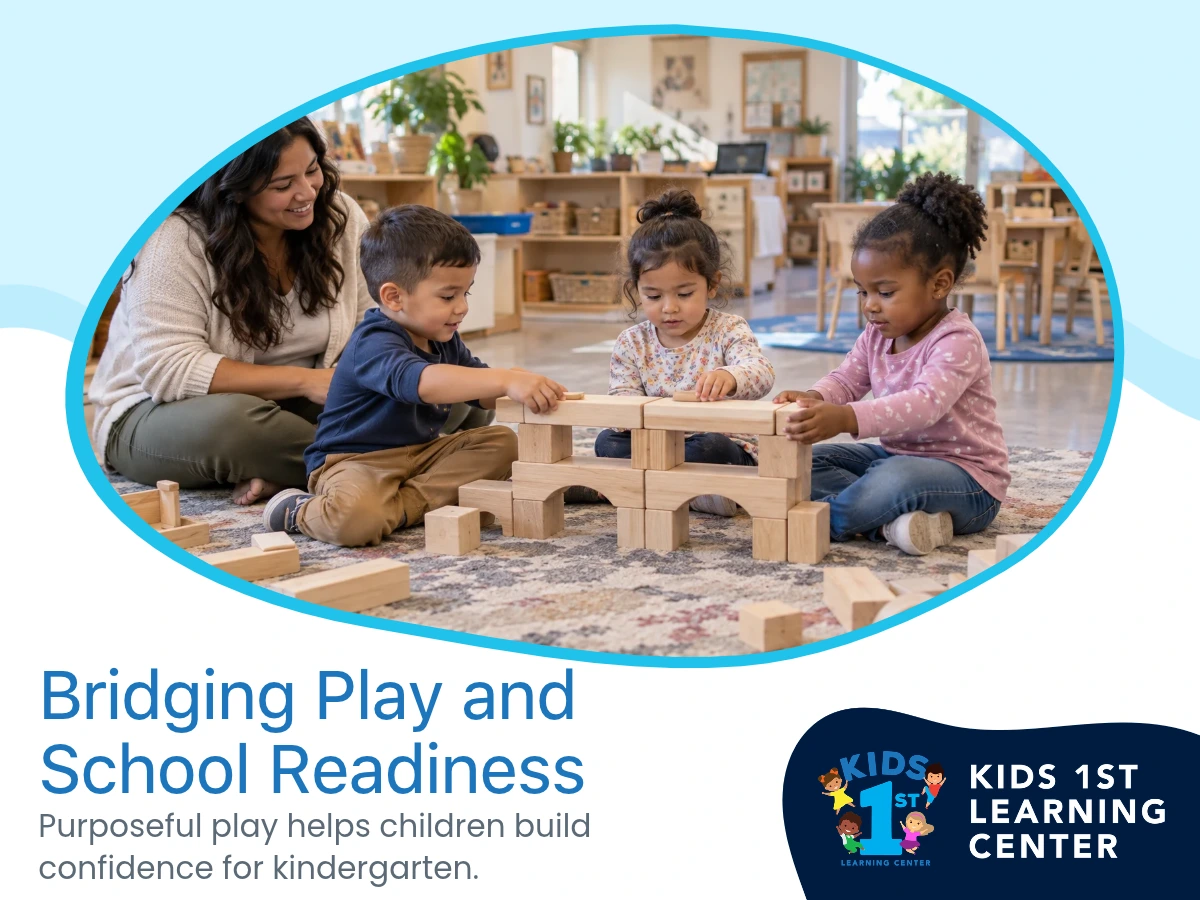
Early childhood education in Bell Gardens can bring emotional learning and cognitive development together through activities that invite children to observe, remember, and make decisions. A shared building project or a story discussion can involve both understanding feelings and considering what to do next. Teachers support these connections by keeping challenges manageable and providing guidance when needed.
Using Stories to Explore Perspectives
Picture books offer opportunities to think about what characters know, want, and feel. A character who refuses to join a game might be unsure of the rules, disappointed by an earlier experience, or interested in something else.
Instead of answering immediately, an adult can ask children to examine the pictures and consider possibilities.
Questions might include:
- “What happened before the character became upset?”
- “What could the other children ask?”
- “How might the ending change if someone offered help?”
These discussions give children practice recalling events, making connections, and considering another perspective.
Planning and Adapting During Shared Play
When children create a pretend animal shelter, they need to decide where animals will sleep, which materials to use, and how to divide responsibilities. Different ideas create opportunities to compare options and adjust a plan.
A teacher might help children identify the problem: “You both want the same basket for different animals. What could we try?”
With support, children can suggest another container, create a shared space, or take turns. The learning involves generating possibilities and noticing whether a solution works.
Returning to a Challenge With Support
Frustration can make it difficult to stay involved in a task. A responsive adult can help a child pause, feel understood, and return to the problem when ready.
Over time, these supported experiences build flexible thinking and persistence. Progress may mean trying a different puzzle piece, accepting a classmate’s suggestion, or remembering a strategy that helped previously.
What Responsive Toddler Care in Bell Gardens, CA Can Look Like
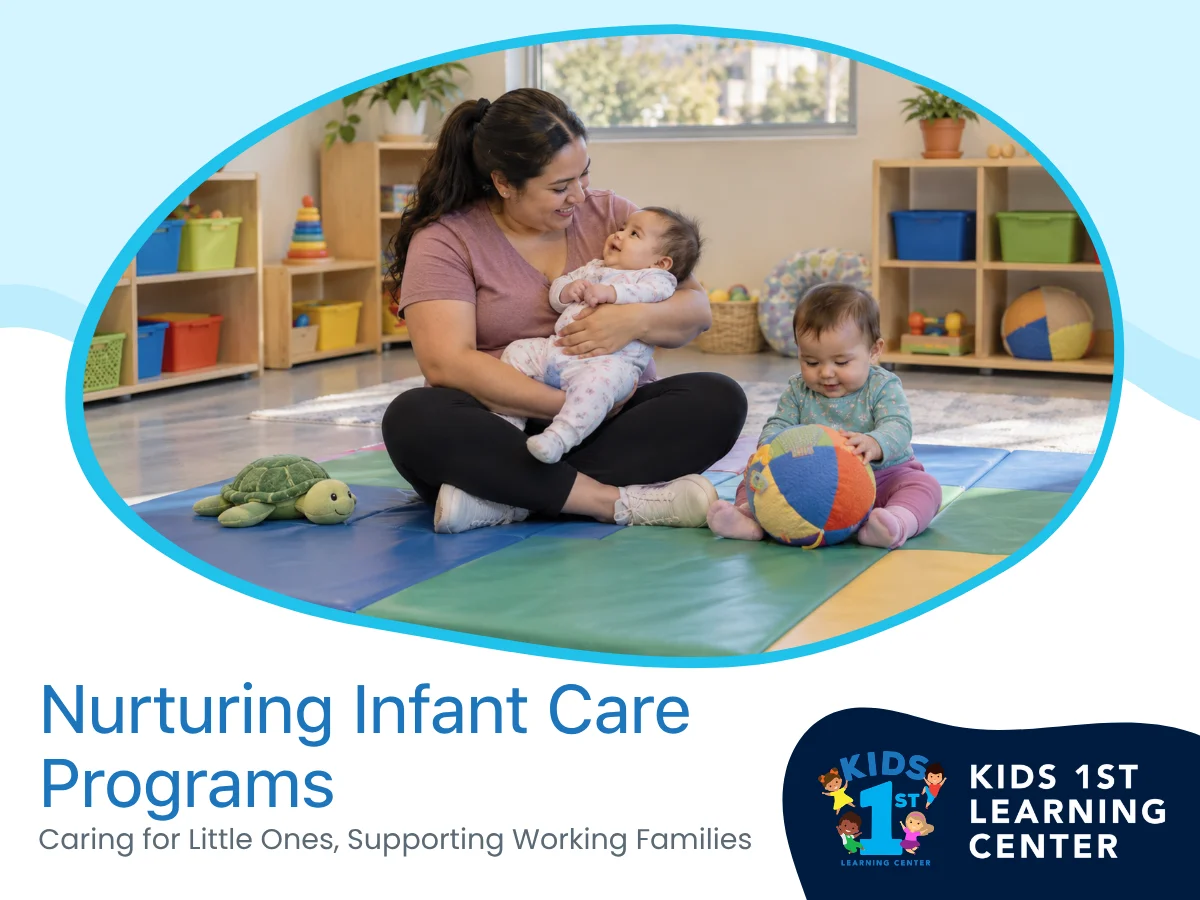
Families exploring toddler care in Bell Gardens, CA should consider how caregivers respond to children who are still developing language and self-control. Toddlers may communicate through gestures, movement, crying, or a few familiar words. Responsive care starts with noticing these signals, helping children feel understood, and guiding safe behavior.
Building Security Through Predictable Care
Familiar routines give toddlers repeated experiences of what happens next. A consistent greeting, a brief explanation before cleanup, or a recognizable rest routine can make the day easier to follow.
Predictability also depends on how adults respond. Caregivers who acknowledge distress and offer steady support help children get comfortable seeking comfort.
During a visit, parents can observe whether teachers:
- Respond when children approach or signal for help.
- Explain transitions using simple, clear language.
- Offer reassurance during separation or uncertainty.
- Adjust their support to individual children.
These interactions reveal how care is provided throughout ordinary moments.
Supporting Early Peer Experiences
Toddlers may play beside one another before they regularly coordinate play together. They also need considerable help with waiting and using shared materials.
A caregiver can offer duplicate toys, model a simple request, or stay close during brief turn-taking. The expectation should match the child’s current abilities.
If one child takes another’s toy, the adult can calmly help return it and offer an alternative. This models respectful interaction without expecting toddlers to resolve the situation alone.
Offering Choices Within Clear Limits
Small choices allow toddlers to communicate preferences and participate in their care. Choosing between two books or deciding which approved material to explore gives manageable opportunities to make decisions.
Clear limits remain essential. A caregiver might say, “The blocks stay on the floor. You can build here or use the soft ball.”
This combines guidance with an achievable choice, helping children practice agency within a safe, supportive environment.
How Families Can Extend Emotional Learning at Home
Home experiences give children opportunities to revisit emotional skills with the people who know them best. Families can support this learning through everyday conversations, shared routines, and their responses to challenges. The most useful approach is one that feels manageable and reflects the child’s current needs.
Respond to Difficult Moments With Connection and Guidance
When feelings are intense, lengthy explanations can be difficult for a child to follow. Begin with a brief acknowledgment, state the boundary, and offer support.
If a child becomes upset because outdoor play has ended, a parent might say:
“You wanted more time outside. It is hard to stop. We need to go in now, and I can hold your hand.”
This response acknowledges disappointment while keeping expectations clear. Once the child is settled, there may be an opportunity to discuss what could help next time, such as a short warning before leaving.
Model How to Handle Everyday Frustration
Children can observe adults naming feelings and choosing a response. A parent might explain, “I feel frustrated because I cannot find my keys. I am going to pause and look in one place at a time.”
The example does not need to be perfect. If an adult speaks sharply, a brief repair also provides useful learning: “I raised my voice. I am sorry. I will try again calmly.”
These moments show that managing emotions involves practice and responsibility.
Share Useful Observations With Teachers
Communication between home and preschool can help adults understand what a child is experiencing. Families might share a recent change in routine, a phrase that helps during transitions, or a new way their child is expressing a need.
Teachers can share classroom observations in return. Together, adults can choose a few consistent responses while allowing for differences between settings. This shared understanding helps children receive familiar support.
Building a Foundation for Connection and Learning
Emotional growth often shows up in small moments: a child asking for comfort, noticing a classmate’s disappointment, or returning to an activity after a difficult start. These experiences help children build the confidence to participate in relationships and learning.
For families seeking the best daycare in Bell Gardens, CA, pay close attention to the quality of everyday interactions. Warm guidance, realistic expectations, and practice opportunities can help children feel understood as their abilities grow. Kids 1st Learning Center’s emphasis on emotional intelligence and individualized learning reflects the importance of supporting children as both learners and members of a caring community.
Learn how Kids 1st can support your child’s next stage of growth. Call (818) 873-0133 or visit: