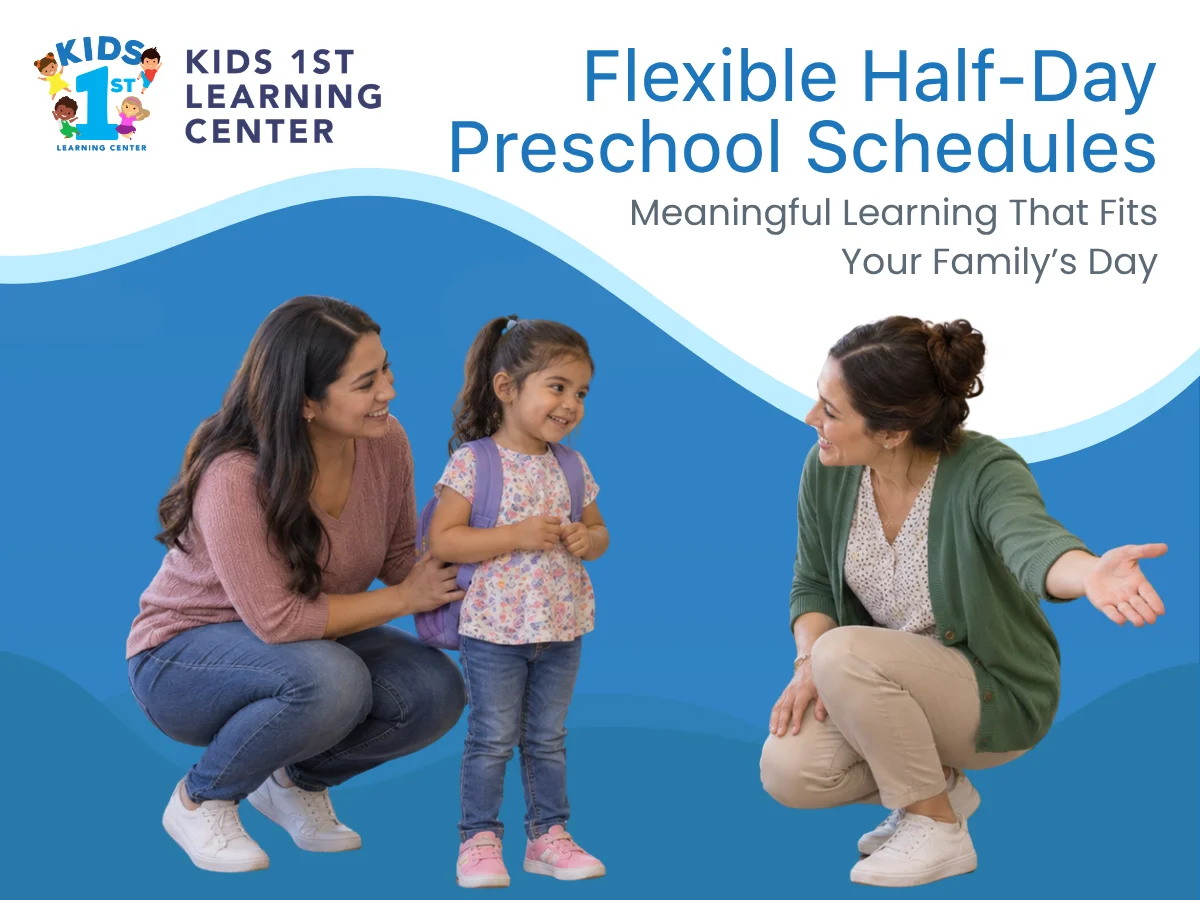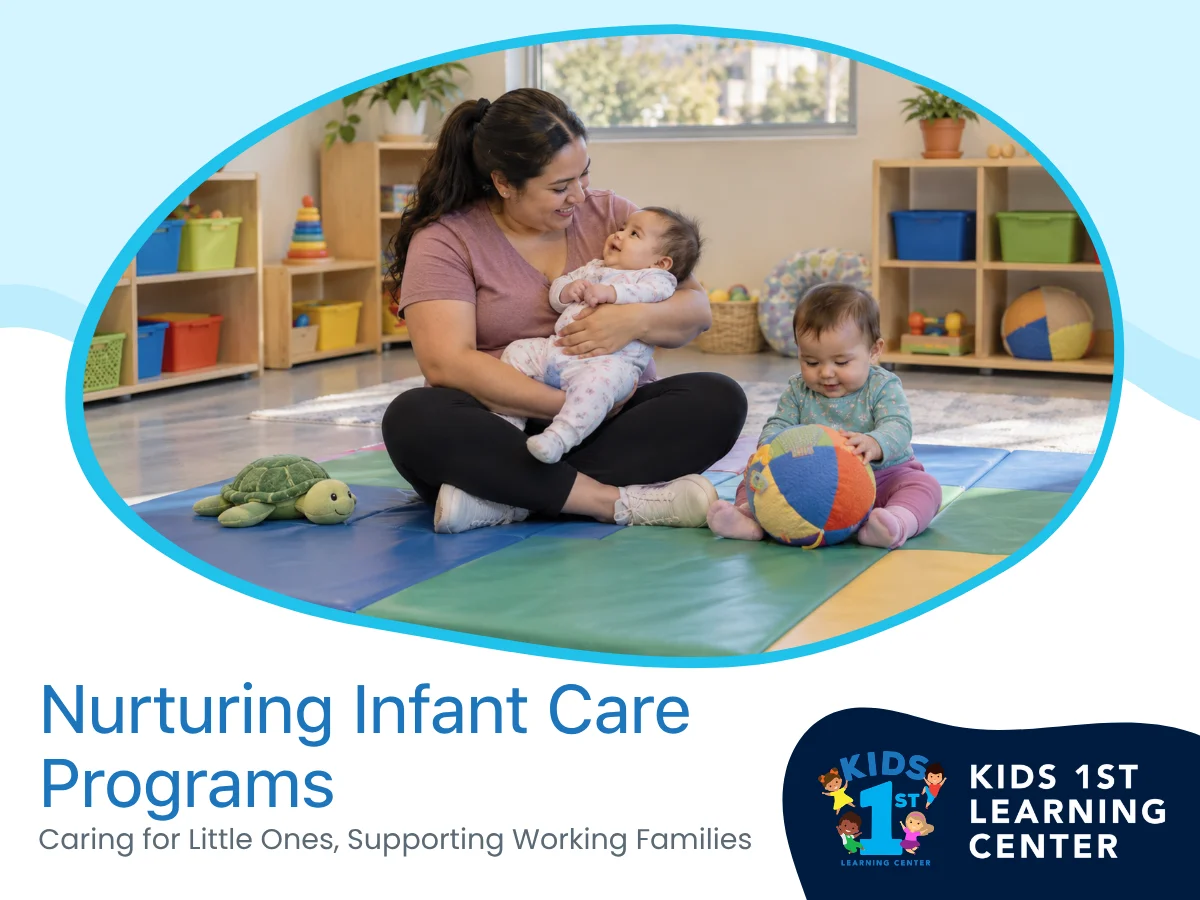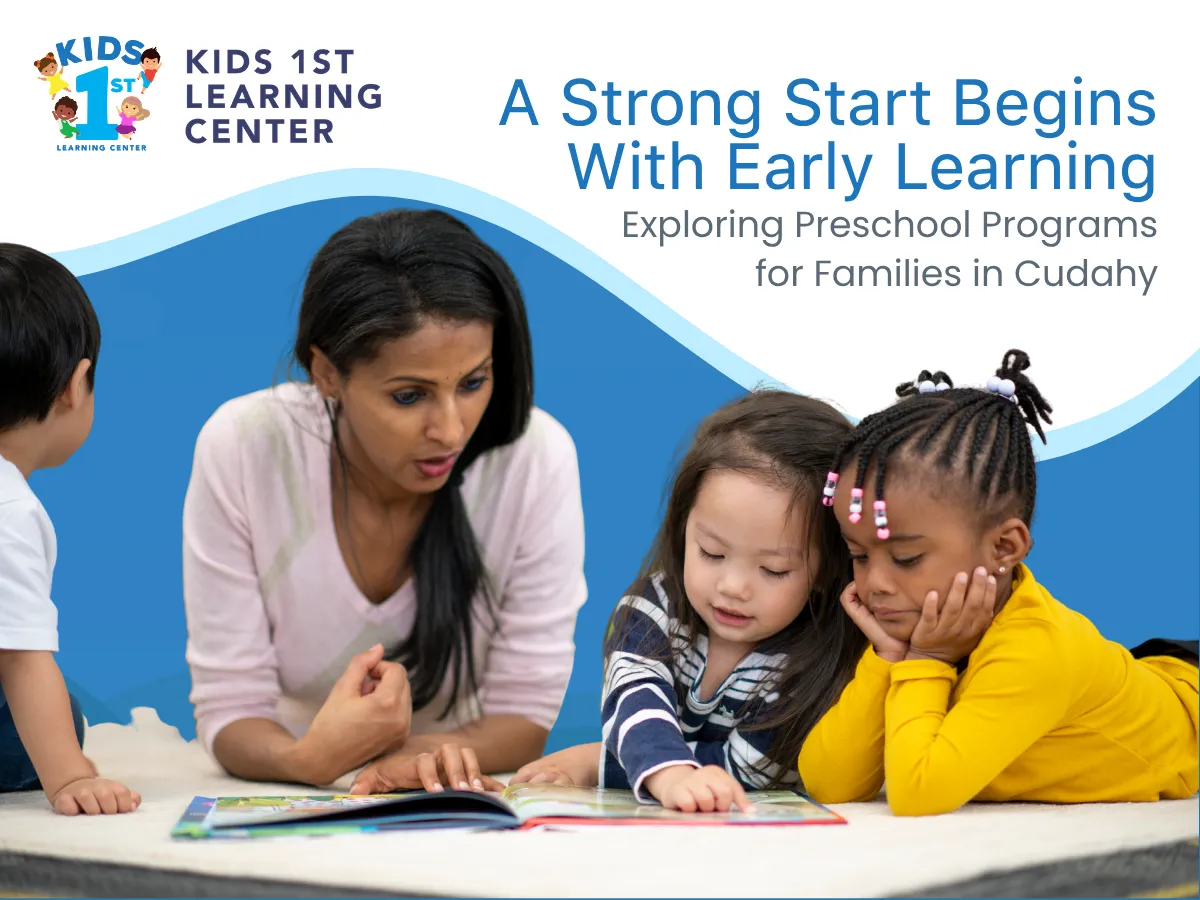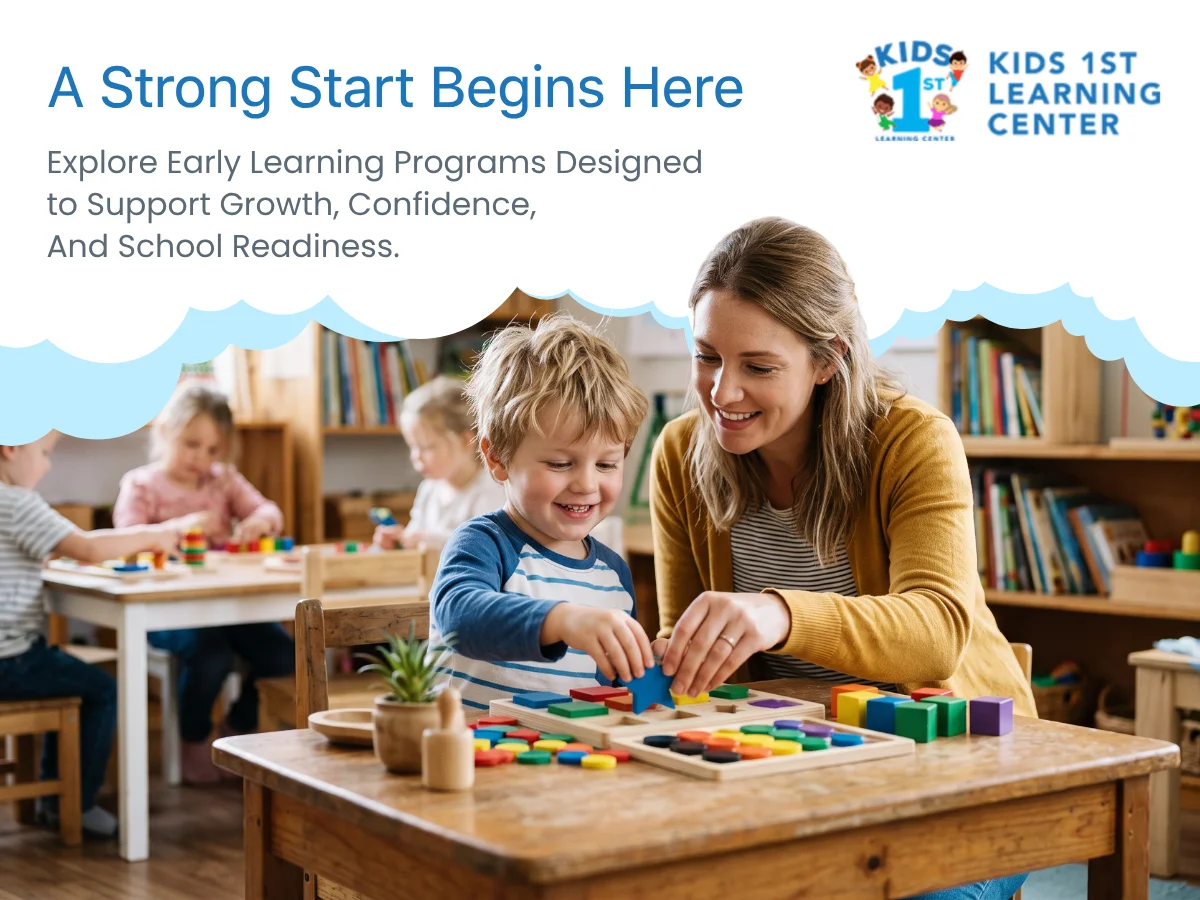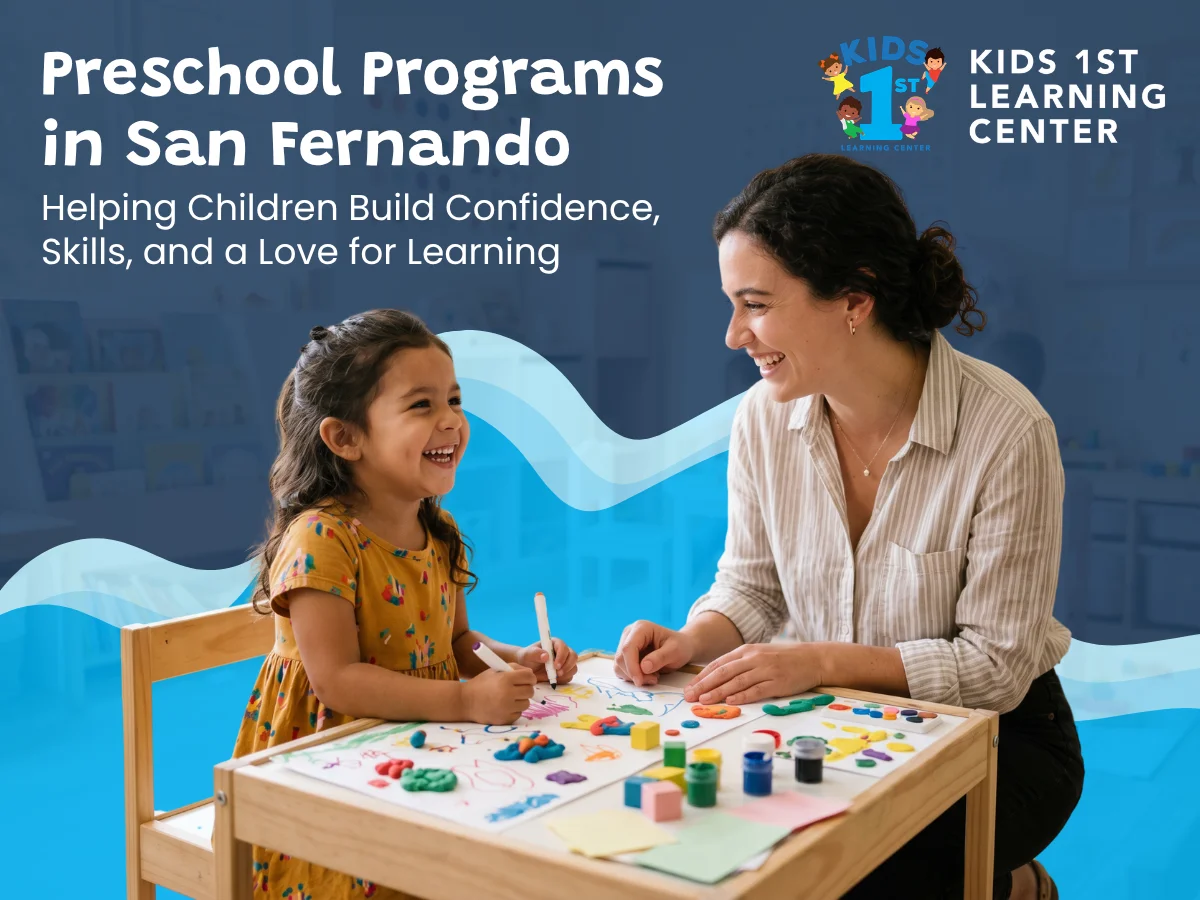

Half-day preschool in San Fernando offers a practical way to introduce young children to structured learning while keeping family schedules flexible. A thoughtfully designed half-day program can give children meaningful opportunities to build social skills, explore new ideas, practice independence, and get comfortable with classroom routines without a full-day schedule.
For parents balancing work, family responsibilities, appointments, or other commitments, this option can create a valuable balance between early education and time at home. The right program should combine dependable scheduling with nurturing relationships and developmentally appropriate learning experiences.
What Families Should Know About San Fernando Part-Time Preschool
Choosing a San Fernando part-time preschool can be a valuable option for families who want the benefits of early education without committing to a full-day schedule. A shorter preschool day can still provide children with consistent routines, social interaction, guided learning, and opportunities to develop important skills.
A Consistent Introduction to the Classroom
For some children, a part-time schedule provides a comfortable introduction to being away from home. Regular attendance helps children become familiar with their teachers, classmates, classroom expectations, and daily routines.
Consistency can support children as they learn to:
- Separate from parents with increasing confidence
- Participate in group activities
- Follow simple classroom routines
- Transition between activities
- Build relationships with teachers and peers
These early experiences can help children develop a sense of belonging within their classroom community.
Meaningful Learning in a Shorter Schedule
A half-day program does not need to feel rushed. When the schedule is planned thoughtfully, children can experience a balanced combination of active play, teacher-guided learning, creative activities, language development, and social interaction.
The emphasis should remain on developmentally appropriate experiences rather than fitting as many activities as possible into a limited period. Young children learn best when they have time to explore, ask questions, interact, and revisit new concepts.
A Schedule That Reflects Family Needs
Families choose part-time preschool for many different reasons. Some parents may have flexible work arrangements, while others may want additional time at home or need a schedule that works alongside other responsibilities.
A quality program should make its schedule, attendance expectations, and daily routines clear so families understand how preschool will fit into their week. When the right schedule pairs with consistent, nurturing care, part-time preschool can give children a strong, positive early learning experience.
How Flexible Preschool in San Fernando Supports Family Schedules
A flexible preschool in San Fernando can help families create a childcare and early education routine that better reflects the realities of everyday life. Not every household needs the same schedule, and half-day options can be especially useful for parents who want consistent early learning in a shorter portion of the day.
Creating More Options for Working Families
Work schedules can vary considerably from one household to another. Some parents work part time, have hybrid arrangements, operate their own businesses, or coordinate childcare responsibilities with another caregiver.
A half-day preschool schedule may make it easier to combine early education with these arrangements while giving children a predictable place to learn and interact with others.
For families comparing programs, it can be helpful to consider:
- Available days and session times
- Arrival and pickup expectations
- Consistency requirements
- How the schedule fits with work or caregiving arrangements
- Whether the program can continue meeting the family’s needs as circumstances change
Understanding these details early can help parents choose a schedule they can maintain consistently.
Maintaining a Predictable Routine for Children
Flexibility for parents should still provide consistency for children. Young children often benefit from knowing what happens next and becoming familiar with the rhythm of their preschool day.
Regular arrival times, classroom activities, meals or snacks, group experiences, and departure routines can help children understand expectations and feel increasingly comfortable in the environment.
Supporting Balance Beyond the Classroom
A shorter preschool schedule can also leave time for family activities, rest, appointments, or additional time at home. For some children, this balance may be particularly appropriate as they adjust to a classroom setting.
The goal is not simply to spend fewer hours in preschool. A strong half-day program uses the available time purposefully while helping families maintain a schedule that is realistic, dependable, and supportive of their child’s needs.
How San Fernando Early Learning Supports Growing Skills
Quality San Fernando early learning experiences help children build abilities that extend well beyond letters and numbers. During the preschool years, children are developing language, social awareness, independence, physical coordination, curiosity, and the ability to participate successfully in a group environment.
A half-day schedule can provide meaningful opportunities to strengthen these areas through carefully planned experiences.
Developing Communication and Language
Preschool classrooms give children many opportunities to hear and use language. Conversations with teachers, songs, stories, group discussions, and imaginative play can help expand vocabulary and strengthen communication skills.
Teachers can support this development by encouraging children to express ideas, listen to others, ask questions, and describe what they are doing.
Building Social and Emotional Skills
Being part of a preschool group introduces children to important social experiences. They begin learning to share materials, wait their turn, work alongside others, express emotions appropriately, and resolve everyday challenges with support.
These abilities develop gradually. Teachers guide children in a safe environment where mistakes are treated as part of the learning process.
Encouraging Independence and Curiosity
Preschool also gives children opportunities to make choices and take greater responsibility for age-appropriate tasks. Putting away materials, washing hands, choosing an activity, following classroom directions, or completing a simple project can strengthen confidence and independence.
Learning experiences may also encourage development through:
- Art and creative expression
- Music and movement
- Hands-on exploration
- Early literacy experiences
- Simple math concepts
- Pretend and cooperative play
Together, these experiences help children develop the foundational skills they will continue building as they move toward kindergarten and future classroom environments.
What a Meaningful Half-Day Preschool Experience Can Include
A strong half-day preschool program makes thoughtful use of a shorter schedule. Rather than treating the day as a condensed version of full-day care, teachers can create a balanced routine that gives children enough time to participate, explore, interact, and transition comfortably between activities.
Purposeful Play and Exploration
Play is an important part of early childhood learning. Through block building, pretend play, art, sensory activities, puzzles, and hands-on materials, children can develop problem-solving skills while exploring ideas in natural, engaging ways.
Teachers can extend this learning by asking questions, introducing new vocabulary, and providing materials that encourage children to investigate further.
Group Learning and Classroom Community
Short group experiences can help children practice listening, participating, and interacting with classmates. Story time, music, movement, and classroom conversations give children opportunities to learn as part of a community.
These moments also support important skills such as following directions, taking turns, and contributing ideas.
Time for Movement and Active Learning
Young children need opportunities to move. Physical activity can support coordination, balance, strength, and body awareness while giving children an appropriate outlet for their energy.
Whether movement takes place indoors or outdoors, it can be an important part of a balanced preschool experience.
Predictable Transitions Throughout the Day
Transitions are also part of learning. Moving from play to cleanup, preparing for a snack, joining a group activity, or getting ready to go home teaches children how to follow routines and manage changes in activity.
When staff handles these experiences calmly and consistently, children can develop greater independence and confidence. A thoughtfully organized half-day schedule can therefore provide much more than a few hours of supervision. It can create a focused early learning experience where children have meaningful opportunities to grow each day.
Conclusion
The best preschool schedule supports both the child’s development and the family’s practical needs. Half-day care can give children valuable exposure to classroom routines, friendships, early learning, and growing independence, while giving parents more flexibility in organizing the rest of the day.
Families should consider more than scheduling convenience when comparing programs. A nurturing environment, responsive teachers, developmentally appropriate activities, consistent routines, and clear family communication all contribute to a positive preschool experience.
Ready to explore preschool options for your child? Visit the Kids 1st contact page or call (818) 873-0133 to learn more.