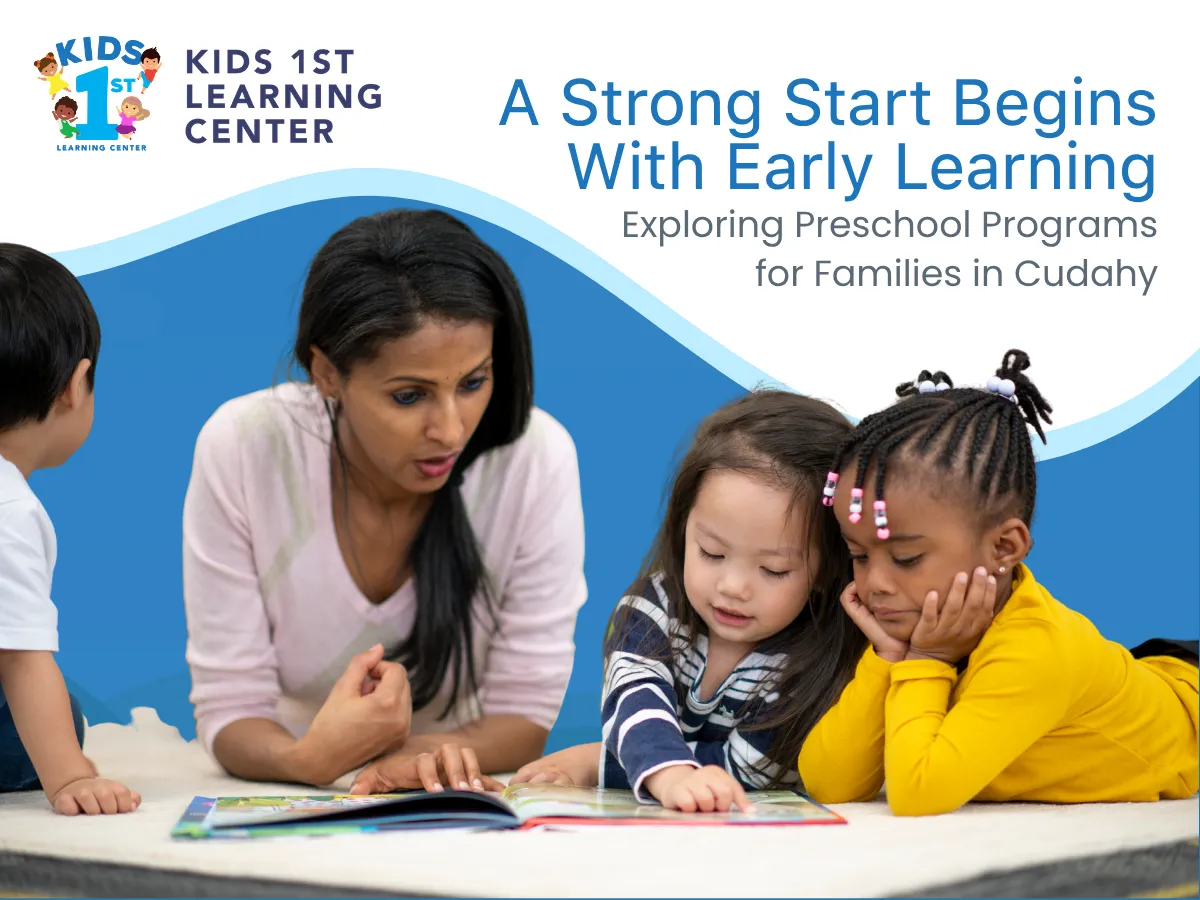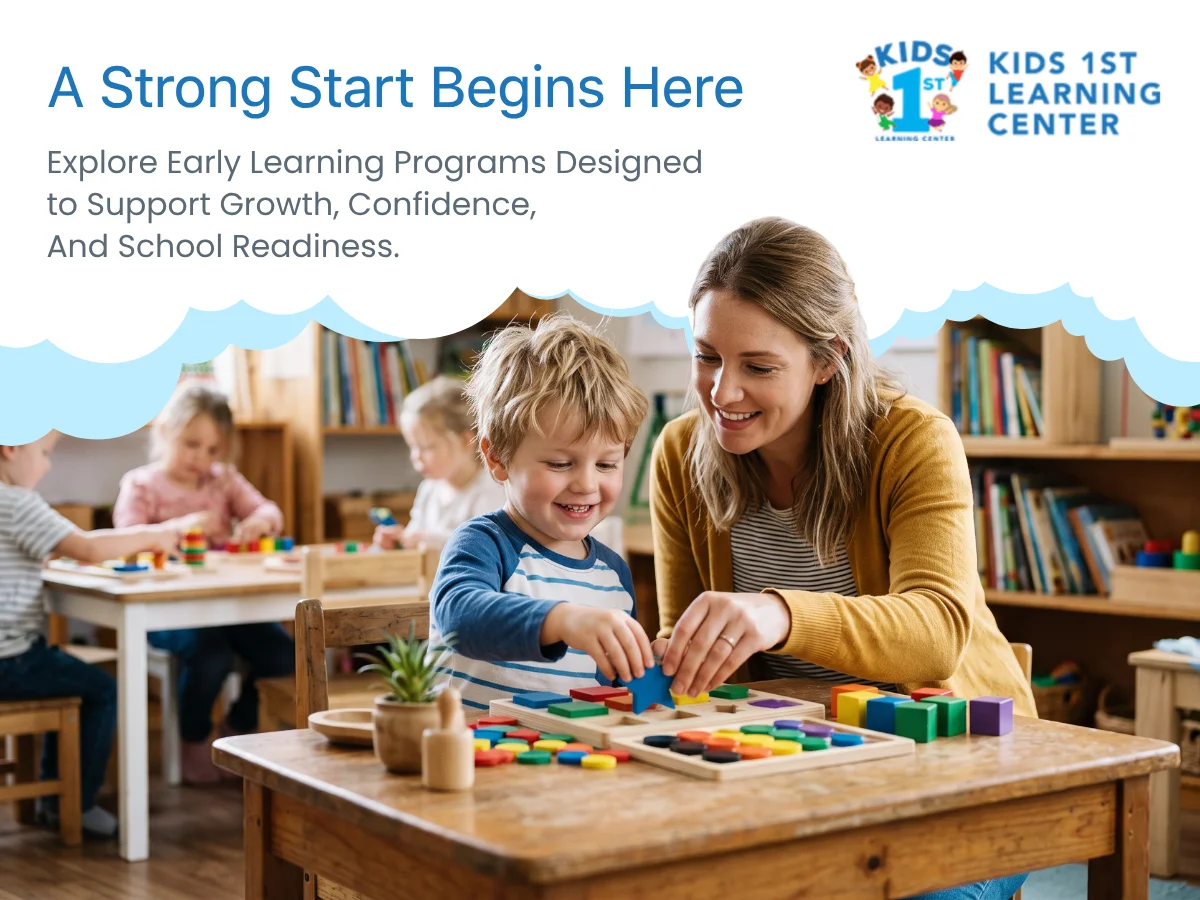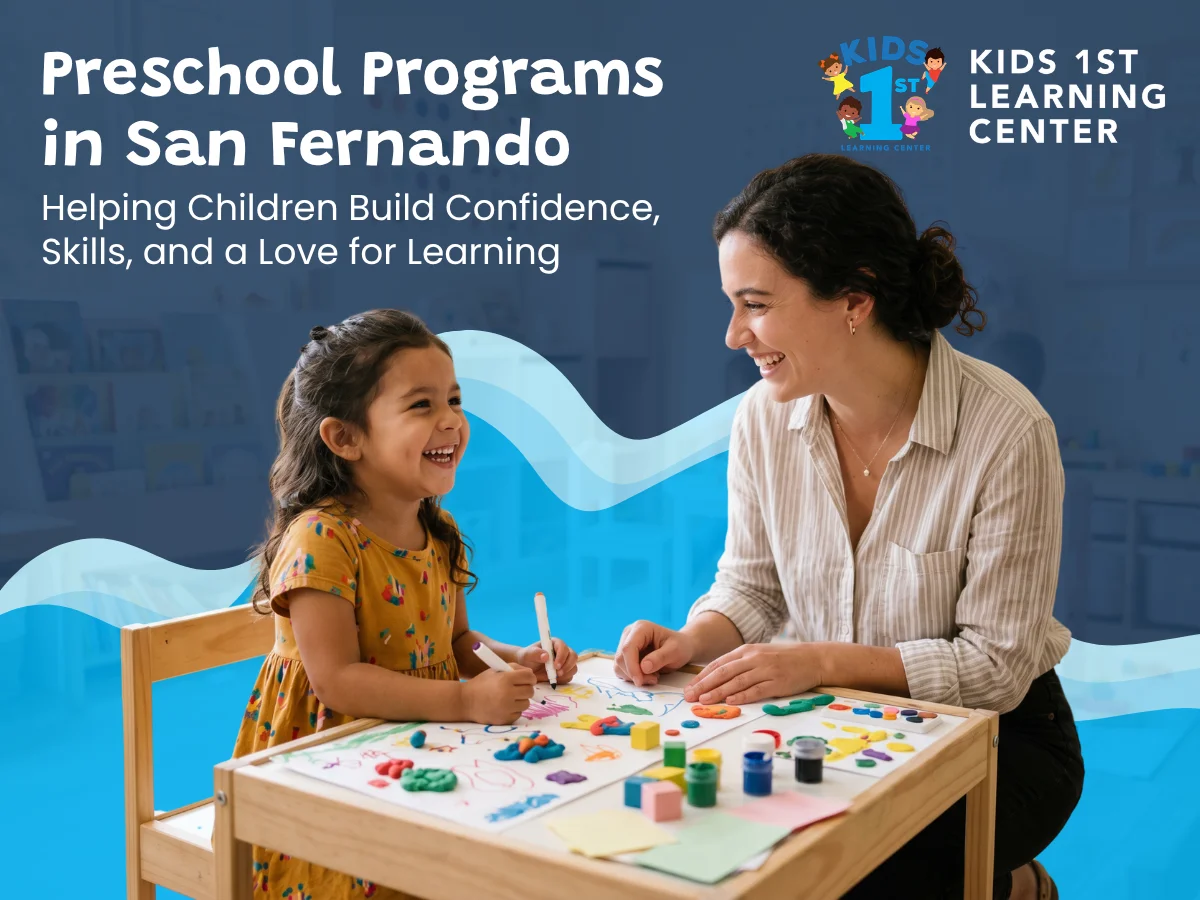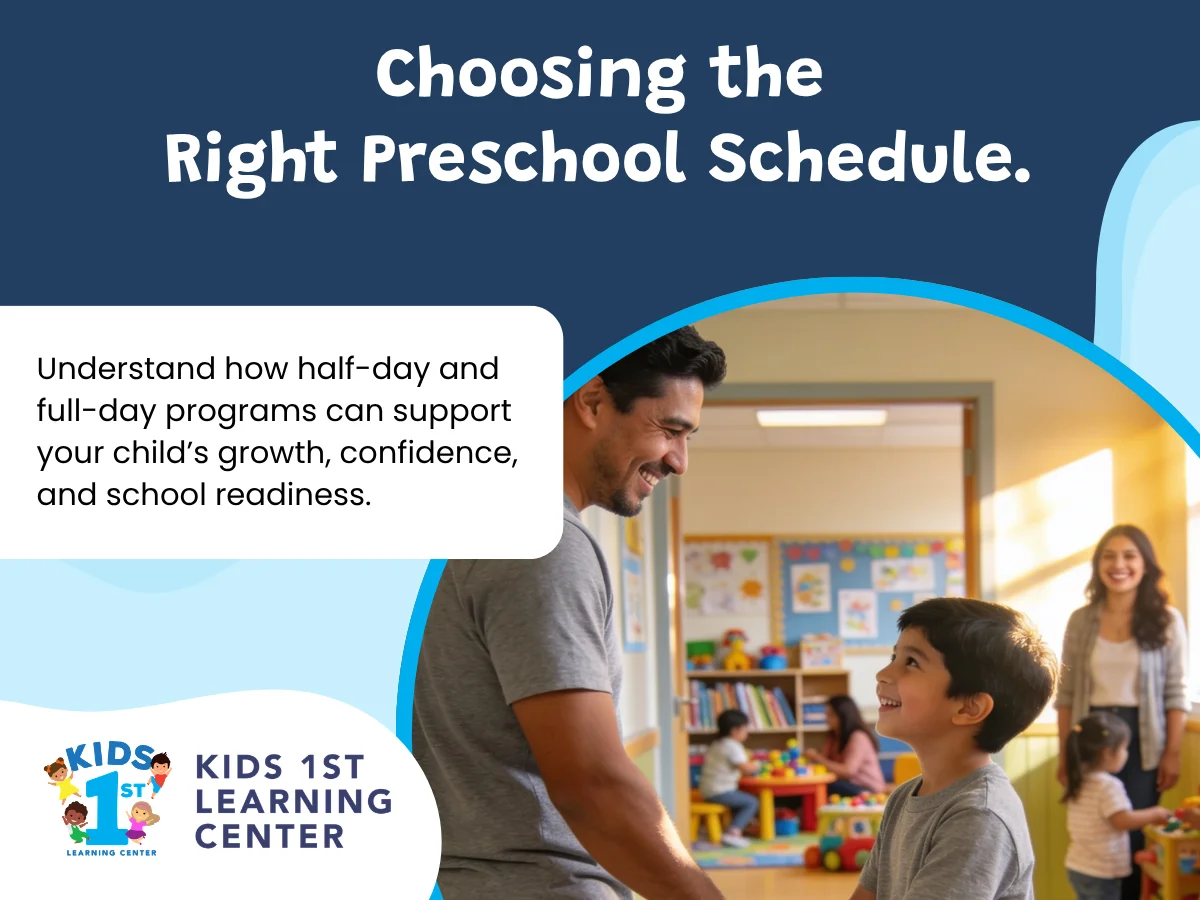

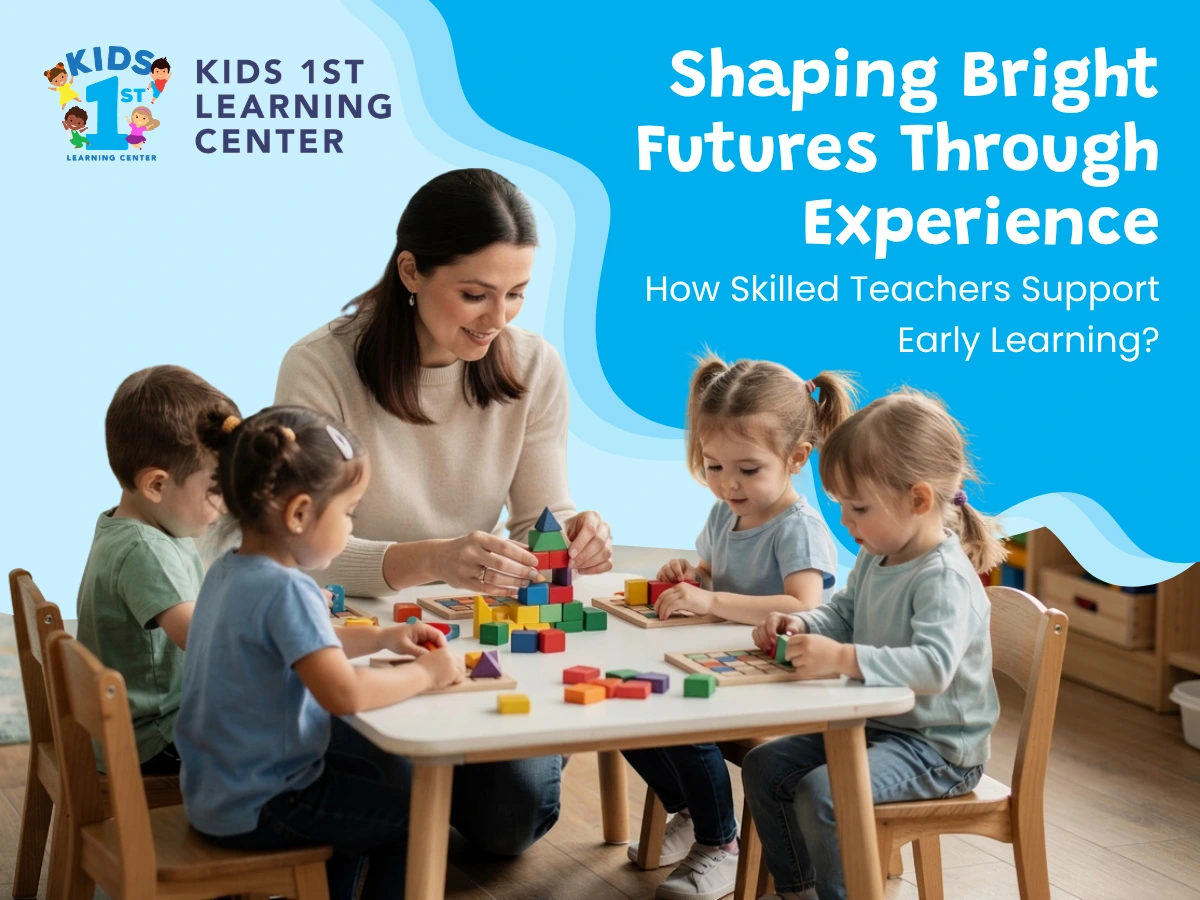
Experienced teachers’ early education benefits can have a lasting impact on a child’s academic, social, and emotional growth. In the early years, children learn best in environments where they feel supported, understood, and encouraged to explore with confidence. Skilled educators bring more than classroom knowledge.
They offer patience, consistency, and the ability to recognize each child’s unique needs and strengths. Their guidance helps create meaningful learning experiences that build strong foundations for future success. When families choose a program with experienced teachers, they are investing in a nurturing start that can positively shape their child’s bright future in early education.
Why the Qualifications of Preschool Teachers Matter
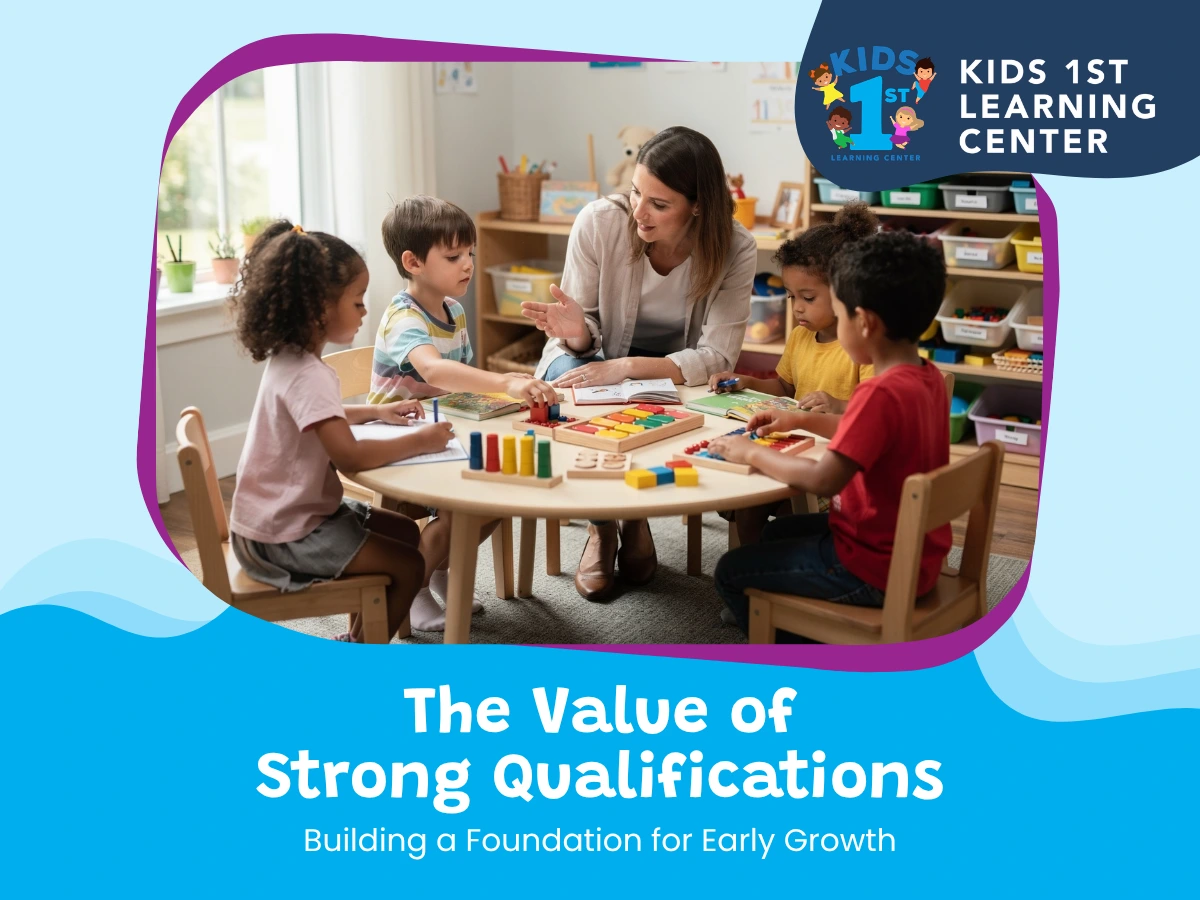
The qualifications of preschool teachers matter because early childhood is a critical stage of growth, learning, and development. During these formative years, children benefit from educators who understand how to support language development, social skills, emotional regulation, and age-appropriate learning in thoughtful and responsive ways.
Training Helps Teachers Support Early Development
Qualified preschool teachers often bring specialized training in child development, early learning methods, and classroom guidance. This background helps them recognize how young children learn best and how to create experiences that match each stage of development.
Strong qualifications often support a teacher’s ability to:
- Plan age-appropriate lessons
- Encourage communication and problem-solving
- Recognize developmental milestones
- Respond to different learning needs
- Create a safe and supportive classroom environment
This kind of preparation helps turn everyday routines into meaningful learning opportunities.
Knowledge Supports Better Classroom Decision-Making
Preschool teachers make many decisions throughout the day, from guiding group activities to helping children work through emotions and transitions. Professional knowledge enables teachers to respond intentionally rather than through guesswork.
For example, a qualified teacher is better prepared to understand when a child may need extra encouragement, a different teaching approach, or additional support in building social confidence. These small moments can have a meaningful impact over time.
Qualifications Build Family Confidence
For many families, trust is a major part of choosing an early education program. Knowing that a child is learning from qualified educators can provide reassurance that the classroom is led by professionals who understand both safety and development.
Families often value teachers who demonstrate:
- Relevant education or certifications
- Ongoing professional development
- Clear communication with parents
- Strong classroom management skills
Strong Qualifications Support Long-Term Growth
Preschool is not only about preparing children for the next school year. It is about helping them build the confidence, curiosity, and foundational skills they will carry forward. When teachers have the right qualifications, they are better equipped to nurture those early abilities with care, structure, and consistency.
The Impact of Teacher Experience on Child Development
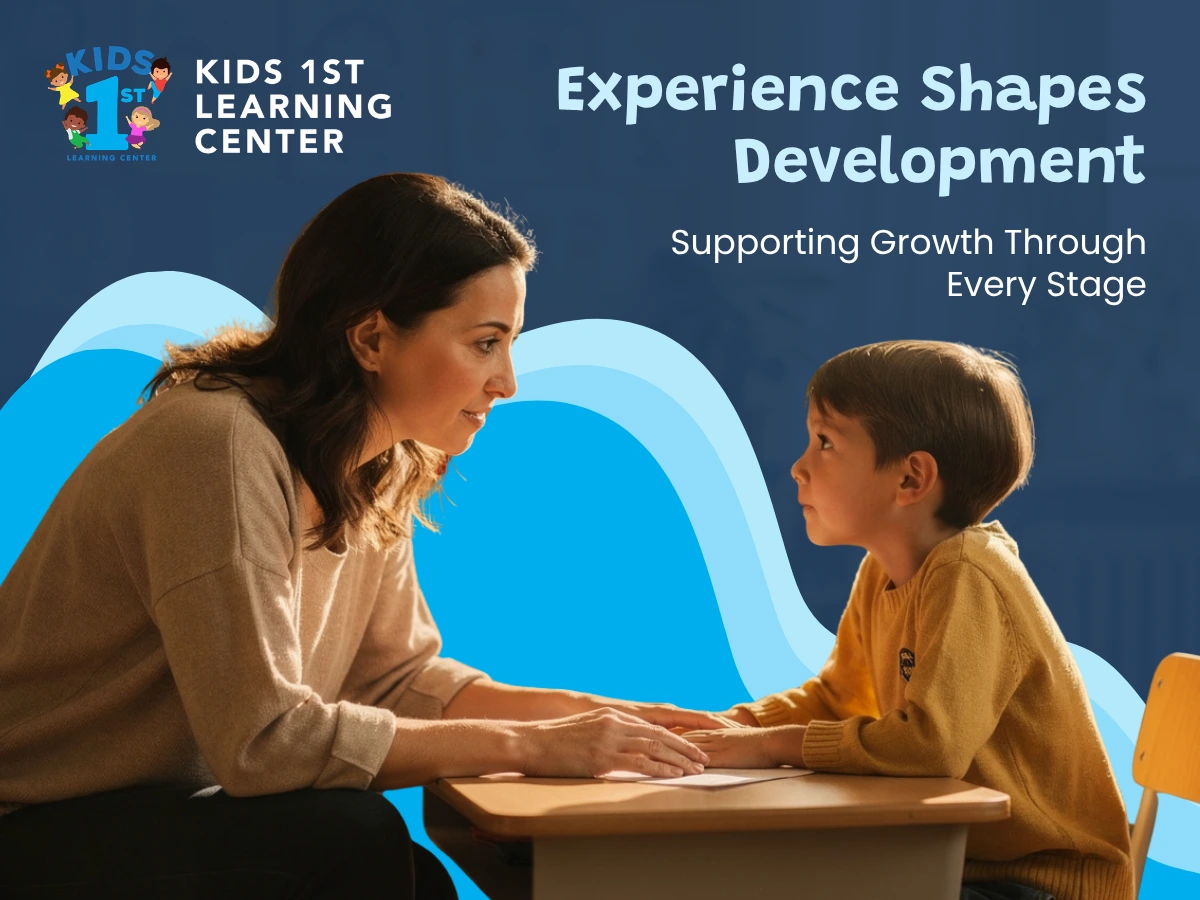
The impact of teacher experience on child development can be seen in the way young children learn, respond, and grow in the classroom each day. Experienced early education teachers often bring a deeper understanding of child behavior, learning patterns, and developmental needs, which helps them create a more supportive and effective environment for every child.
Experienced Teachers Recognize Developmental Needs More Quickly
Children develop at different rates, and experienced teachers are often better prepared to notice those differences early. They can identify when a child is ready for new challenges, when extra encouragement is needed, or when a different teaching approach may be more effective.
This awareness may help teachers:
- Support language and communication growth
- Encourage social interaction with peers
- Strengthen fine and gross motor development
- Respond thoughtfully to emotional needs
These day-to-day observations can make a meaningful difference in how children progress over time.
Strong Experience Supports Better Emotional and Social Guidance
Young children are still learning how to express feelings, solve problems, and build relationships. Experienced teachers often know how to guide these moments with patience and consistency. Instead of simply correcting behavior, they help children understand emotions, practice self-control, and learn respectful ways to interact with others.
This kind of guidance supports important areas of child development, including confidence, resilience, cooperation, and self-awareness.
Experienced Teachers Create More Intentional Learning Environments
Teacher experience also shapes the overall classroom environment. Educators with years of experience often know how to balance structure with flexibility, keep children engaged, and adjust activities to the needs of the group.
An intentional classroom often includes:
- Predictable routines
- Age-appropriate learning activities
- Calm, responsive redirection
- Opportunities for exploration and independence
Long-Term Growth Begins with Daily Classroom Experiences
The impact of teacher experience on child development extends beyond academics. It also includes how children learn to trust, communicate, problem-solve, and approach new experiences. When experienced educators support children, they often benefit from a stronger early foundation that can positively influence future learning and development.
Tips for Finding the Best Early Childhood Educators
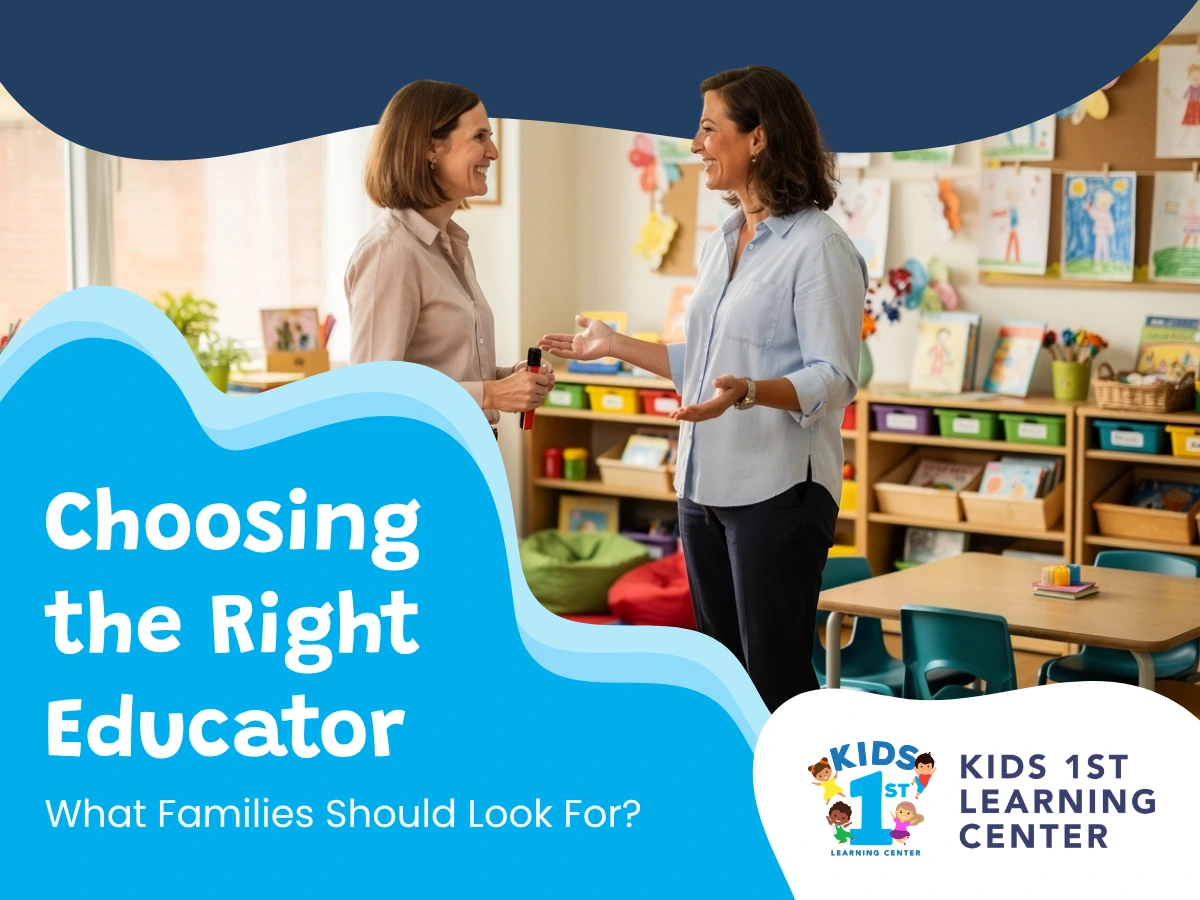
Finding the best early childhood educators is an important part of choosing a program that supports your child’s growth, comfort, and long-term development. While every family may have different priorities, several clear signs can help you identify teachers who bring both professional skill and genuine care to the classroom.
Look Beyond Credentials Alone
Degrees, certifications, and training matter, but they are only one part of the picture. Strong early childhood educators also show patience, consistency, and the ability to connect with young children in meaningful ways.
When evaluating a program, it may help to look for teachers who demonstrate:
- Age-appropriate teaching methods
- Calm and respectful classroom guidance
- Warm, clear communication
- Confidence in supporting different learning styles
- A genuine interest in each child’s progress
These qualities often reflect how teachers apply their knowledge in everyday situations.
Observe How Teachers Interact with Children
One of the best ways to evaluate early educators is to watch how they engage with children during daily routines and learning activities. Strong teachers tend to speak at a child’s level, respond with patience, and create an environment where children feel safe to participate and explore.
During a school visit, notice whether teachers:
- Encourage curiosity and conversation
- Respond kindly to emotions and behavior
- Offer guidance without harshness
- Create a calm and organized atmosphere
These small interactions often reveal the true quality of the classroom experience.
Ask Thoughtful Questions During Your Visit
Families can learn a great deal by asking how teachers support learning, behavior, and communication with parents. Questions about classroom routines, developmental goals, and staff experience can provide helpful insight.
You might ask about:
- Teacher experience and training
- Staff turnover and consistency
- How progress is shared with families
- How the classroom handles transitions and challenges
Choose a Program That Feels Supportive and Stable
The best early childhood educators often work in environments that value structure, communication, and child-centered learning. A strong program should feel welcoming, well-managed, and focused on helping children grow with confidence.
The Role of Strong Teachers in Building Early Learning Skills
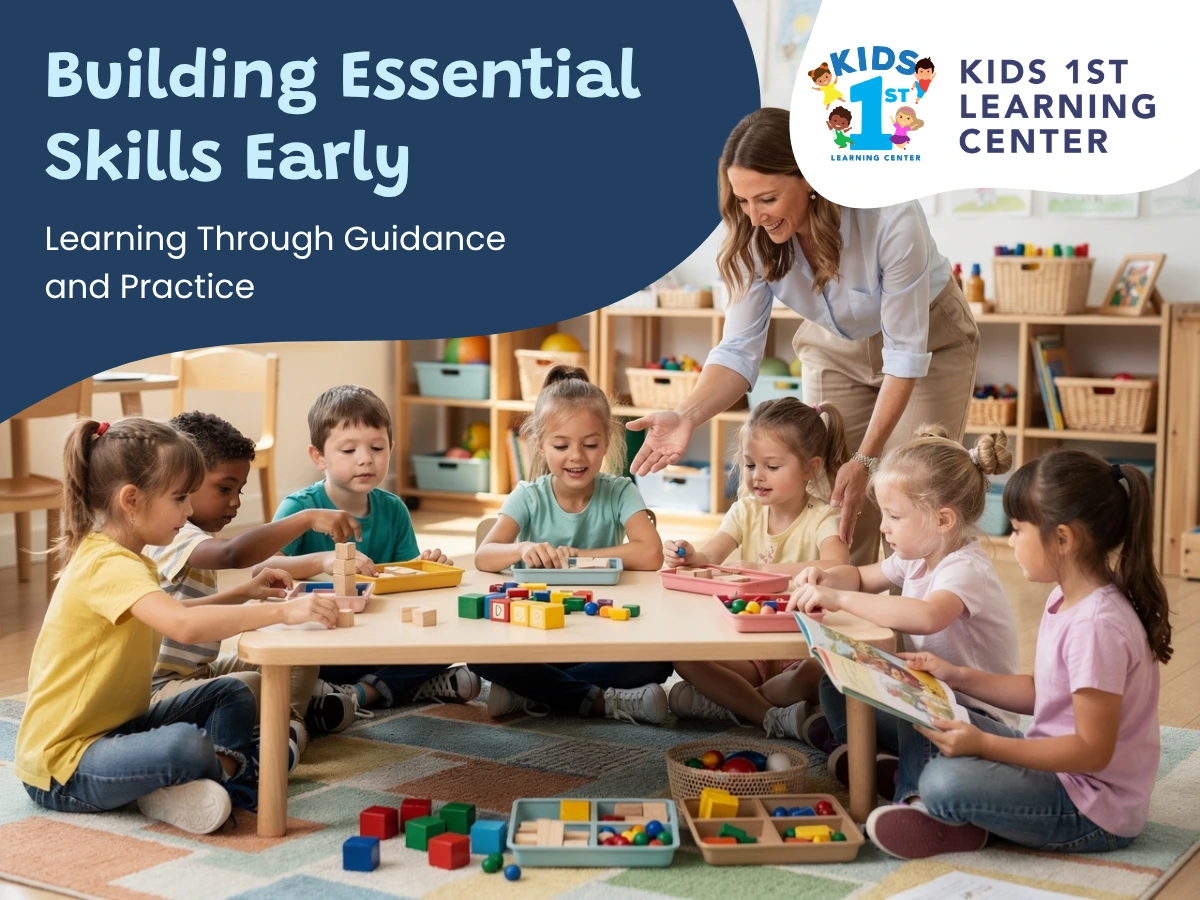
Strong teachers play an essential role in helping young children build the early learning skills they need for future success. In early education, these skills go far beyond letters and numbers. They also include communication, listening, problem-solving, independence, and the ability to engage with the world in meaningful ways.
Strong Teachers Build Skills Through Everyday Moments
Early learning does not only happen during structured lessons. It often develops through daily routines, guided play, conversations, and hands-on exploration. Skilled teachers understand how to turn ordinary moments into valuable learning opportunities.
These moments may help children strengthen:
- Language and vocabulary
- Early math awareness
- Listening and comprehension
- Fine motor coordination
- Attention and memory
When teachers are intentional, even simple activities can support steady growth.
They Create a Classroom That Encourages Participation
Young children learn best in environments where they feel safe, supported, and encouraged to try. Strong teachers create classrooms where children are invited to ask questions, make choices, and practice new skills without fear of failure.
This kind of environment often includes:
- Clear routines and expectations
- Age-appropriate activities
- Positive encouragement
- Opportunities for group and independent learning
A well-led classroom helps children stay engaged while building confidence in their abilities.
They Know How to Support Different Learning Styles
Not every child learns in the same way or at the same pace. Strong teachers recognize these differences and adjust their approach when needed. Some children may respond best to visual materials, while others benefit from movement, repetition, or one-on-one support.
This flexibility helps teachers reach children more effectively and ensures that learning stays accessible and meaningful.
Early Skills Create a Foundation for What Comes Next
The role of strong teachers in building early learning skills is especially important because these early abilities often shape later success in school and beyond. When children learn how to communicate, follow directions, solve problems, and stay curious, they begin to develop the habits that support long-term growth.
Conclusion
Experienced teachers bring lasting value to early education by helping children feel supported, understood, and ready to grow. From building foundational learning skills to guiding emotional development and creating a stable classroom environment, strong educators shape far more than daily lessons. They help create the kind of early experiences that build confidence, curiosity, and a love of learning. For families, understanding the role of teacher experience can help them choose a program that offers both high-quality care and meaningful educational support. A strong start with the right teachers can help shape a brighter future for every child.
To learn more or connect with the team, visit https://kids1st.org/contact-kids-1st/ or call (818) 873-0133.