
Eligibility for subsidized childcare programs can be complex for families seeking affordable, reliable care while managing work, school, or other responsibilities. Understanding how these programs work is an important first step toward getting the support your family may qualify for.
Requirements often depend on factors such as income, household size, employment status, and your child’s age, which can make the process feel overwhelming at first. Learning the basic eligibility criteria and application steps can help you prepare the right documents, avoid delays, and move forward with more confidence as you explore childcare assistance options for your family.
How the Free Daycare Application Process Works
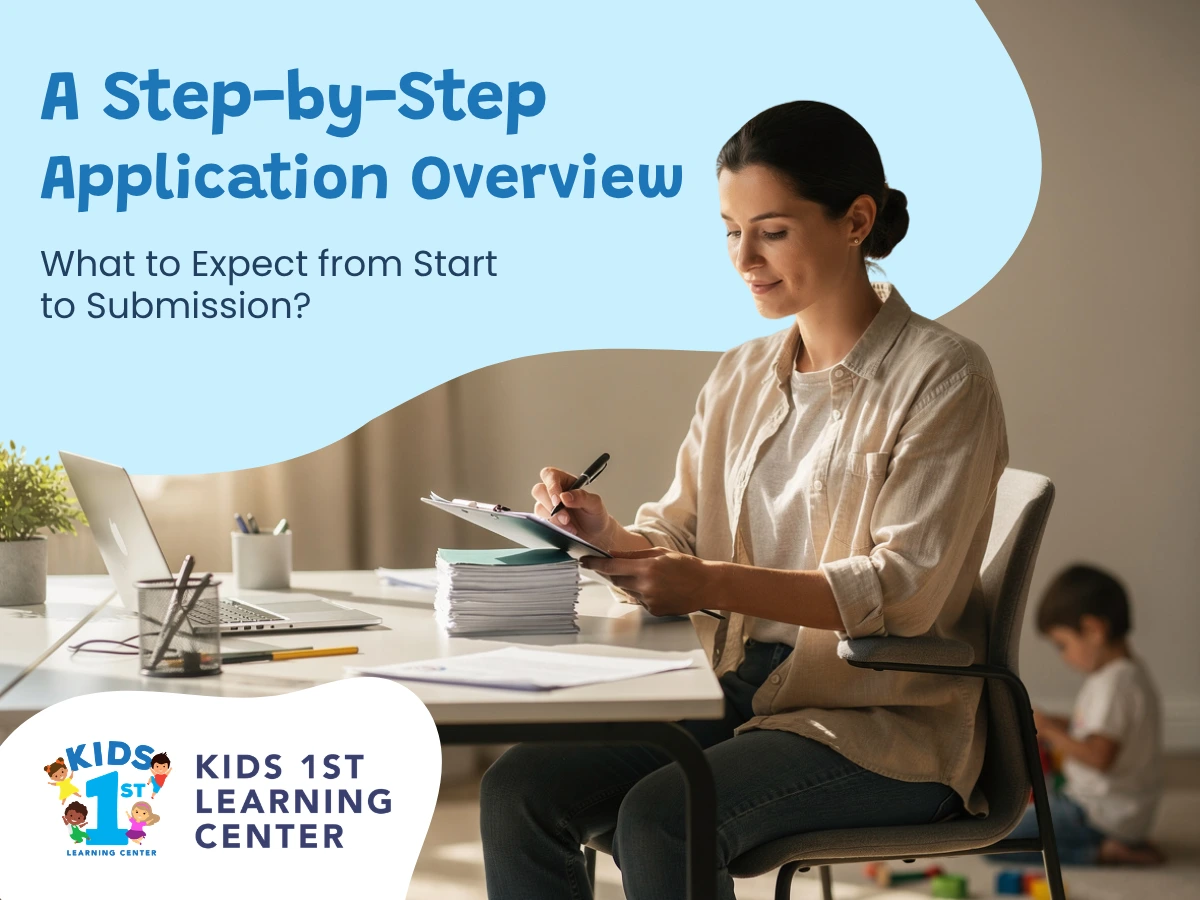
Understanding the free daycare application process can help families feel more prepared as they begin looking for childcare support. While exact requirements may vary by state or program, most applications follow a similar path from initial review to final approval.
Start by Reviewing Basic Program Requirements
The first step is usually confirming whether your family meets the program’s general guidelines. Many childcare assistance programs look at factors such as:
- Household income
- Family size
- Employment status
- School or job training participation
- Child’s age
- Residency requirements
Reviewing these details early can help families avoid delays and determine which program options may be the best fit.
Gather the Required Documents
Once a family believes they may qualify, the next step is preparing the documents needed for the application. These often include proof of identity, income verification, work or school schedules, and documents that confirm residency or the child’s age.
Having paperwork ready in advance can make the process more organized and reduce the chance of missing information.
Complete and Submit the Application
Applications are often submitted online, by mail, or through a local agency. It is important to fill out each section carefully and provide complete, accurate information. Even small errors or missing documents can slow the review process.
Wait for Review and Follow Up if Needed
After submission, the agency typically reviews the application and may request more information. In some cases, families may also need to complete an interview or verify specific details before a decision is made.
Staying responsive during this stage is important. Checking messages, answering requests promptly, and keeping records up to date can help move the application forward more smoothly.
Prepare for Next Steps
If approved, families will usually receive instructions about provider options, enrollment steps, and ongoing eligibility requirements. Understanding these next steps can help families move from application to care with greater confidence.
Who May Qualify Based on Affordable Early Education Criteria
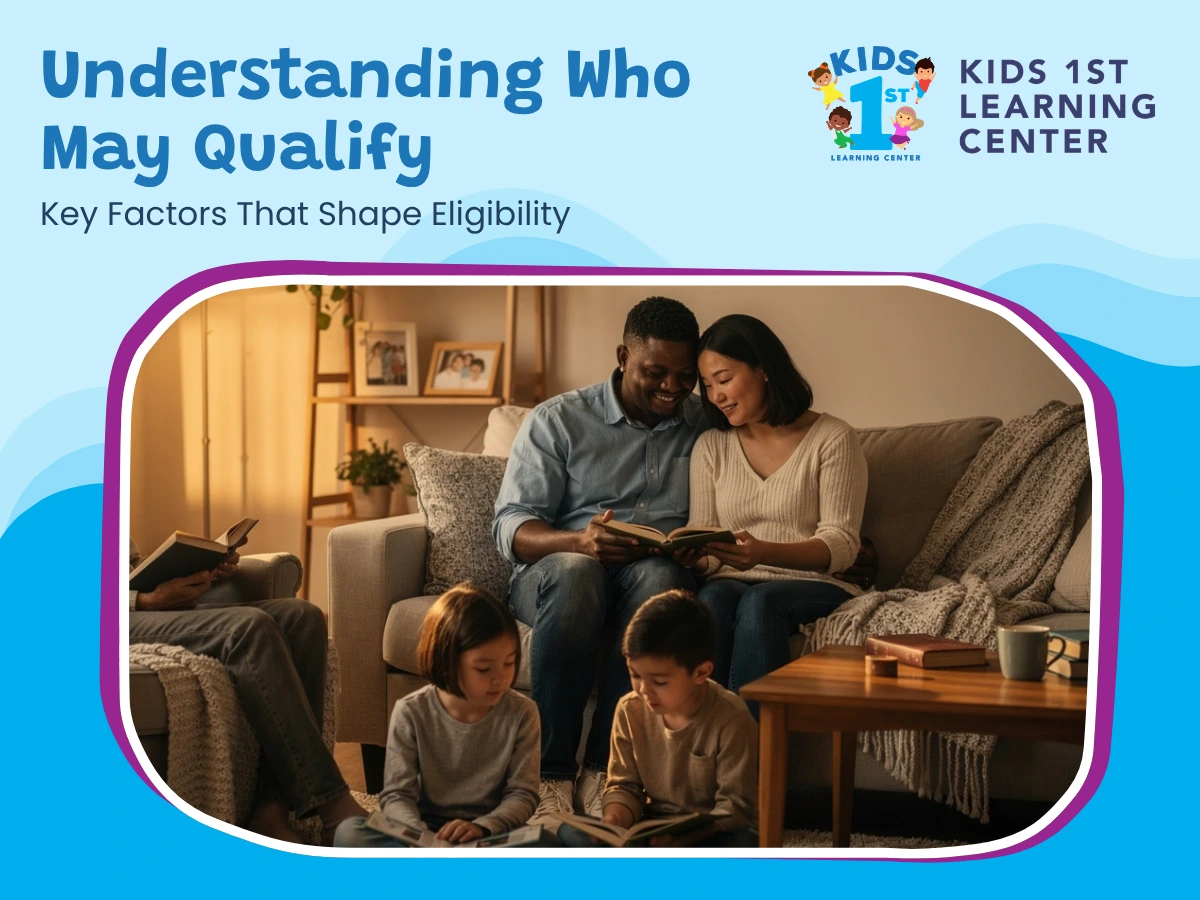
Affordable early education criteria are designed to help childcare assistance programs identify families who may need the most financial support. Although requirements vary by location, many programs review a similar set of factors when deciding who may qualify.
Income Is Often One of the First Factors Reviewed
Many subsidized childcare programs use household income as a starting point. Families may need to show recent pay stubs, tax documents, or other proof of earnings. In most cases, eligibility is based on whether household income falls within a specific range set by the program.
Income reviews may consider:
- Total household earnings
- Number of people living in the home
- Frequency and consistency of income
- Other approved financial circumstances
Family Size and Child Age May Affect Eligibility
Programs often consider the number of dependents in the household and the age of the child needing care. A larger household may have different income limits than a smaller one. Some programs also focus on certain age groups, such as infants, toddlers, or preschool-aged children.
This means that two families with similar income levels may not always qualify in the same way.
Work, School, or Training Participation May Be Required
Many childcare assistance programs are designed to support parents who are working, attending school, or participating in an approved job-training program. Families may need to provide a work or class schedule, or proof of enrollment, to demonstrate why childcare is needed.
Common qualifying situations may include:
- Full-time or part-time employment
- College or vocational education
- Job search or workforce training
- Special family circumstances approved by the program
Other Circumstances May Also Be Considered
Some programs may give additional consideration to children with special needs, families experiencing temporary hardship, or households receiving other forms of public support. Because of this, families need to review local program guidelines carefully and ask questions when needed.
When Government-Funded Preschool May Be Available
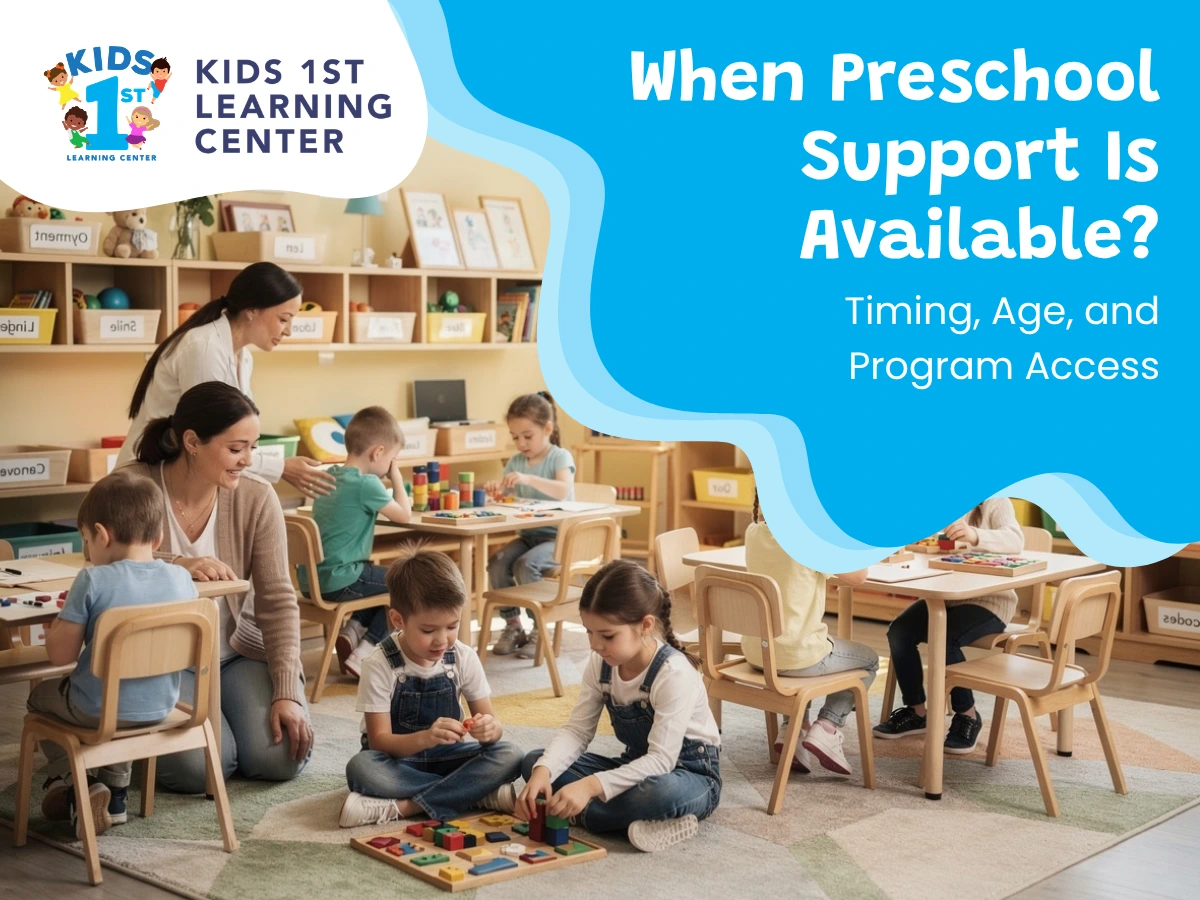
Government-funded preschool may be available to families who meet specific program guidelines and live in areas where public early education support is offered. Availability often depends on the child’s age, family income, local funding, and whether the program is designed to serve a broader community or specific qualifying groups.
Age and Program Type Often Determine Availability
Many government-funded preschool programs are intended for children in the years just before kindergarten. Some focus on three-year-olds and four-year-olds, while others may only accept children who will enter kindergarten the following year.
Program availability may depend on:
- The child’s current age
- Kindergarten readiness timelines
- Local school district offerings
- State or county early education programs
Because each program serves a different purpose, families may find that options vary from one community to another.
Income and Family Circumstances May Affect Access
Some programs are open to all families, but many government-funded preschool programs give priority to households that meet income guidelines or other eligibility criteria. In some cases, children may also qualify based on developmental needs, family hardship, or other approved circumstances.
Families are often asked to provide documents that confirm:
- Household income
- Number of family members
- Proof of residency
- Child’s birth date
- Work or school status, if required
Enrollment Windows Can Be Important
Government-funded preschool is not always available year-round. Many programs follow a school-year calendar and open registration during a specific enrollment period. Spaces may be limited, which means families often benefit from applying as early as possible.
Missing an enrollment window does not always mean support is unavailable, but it may limit immediate options or place a family on a waitlist.
Local Availability Can Change What Families See
Even when a family meets the general requirements, the actual programs available may depend on local funding, provider participation, and classroom capacity. This is why it is helpful to contact local agencies, school districts, or childcare resource offices early in the search.
How Income, Household Size, and Work Status Are Reviewed
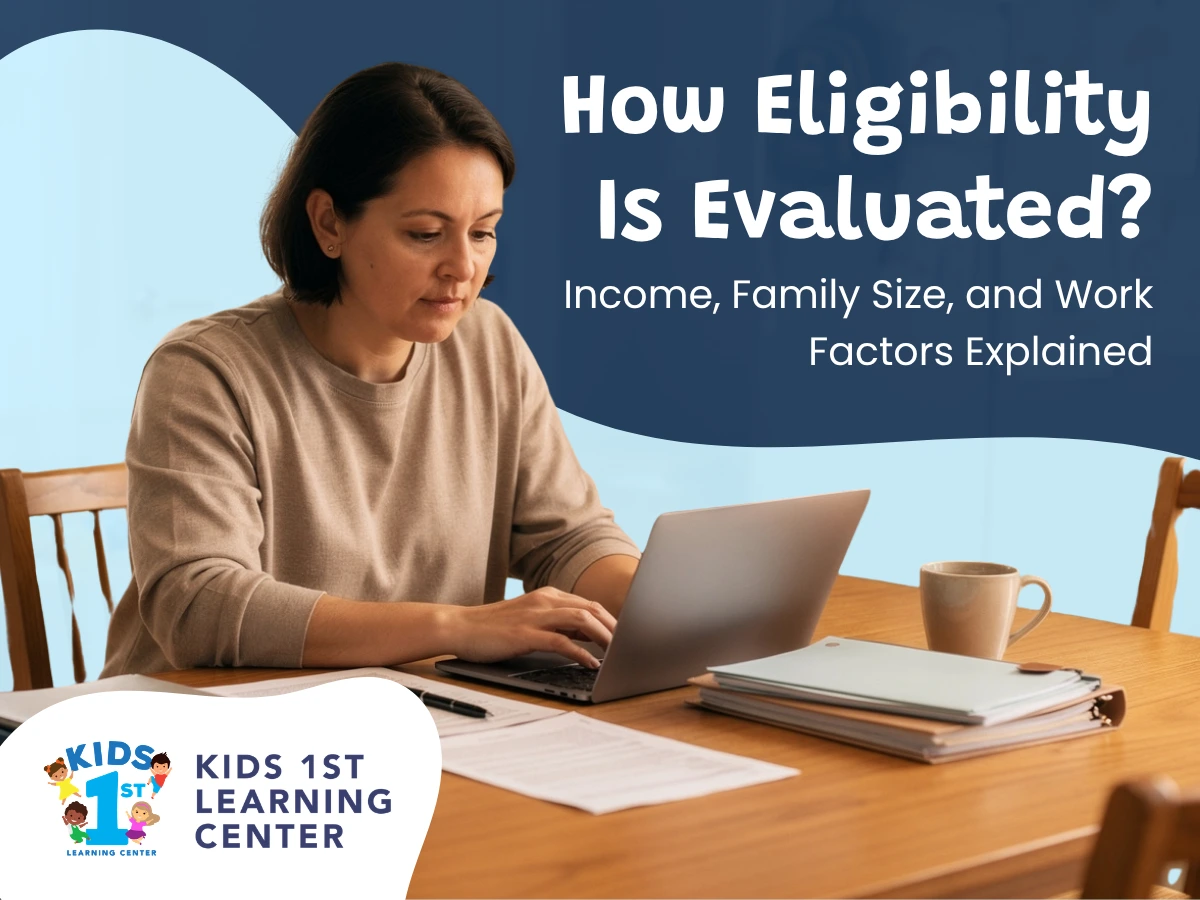
When families apply for childcare assistance, program administrators usually review income, household size, and work status to determine whether support may be available. These details help determine both initial eligibility and, in some cases, the level of assistance a family may receive.
Income Helps Show Financial Need
Income review is often one of the most important parts of the application process. Programs typically ask families to provide recent proof of earnings so they can compare total household income against local or state guidelines.
Common forms of income verification may include:
- Recent pay stubs
- Tax returns
- Employer statements
- Benefit award letters
- Self-employment records
In some cases, programs review gross income rather than take-home pay. This is why families should read instructions carefully and submit exactly what the agency requests.
Household Size Provides Important Context
Household size is usually reviewed alongside income because the number of people supported by that income can affect financial eligibility. A larger household may qualify under a different income threshold than a smaller household with the same earnings.
Agencies may count:
- Parents or guardians living in the home
- Children who depend on household income
- Other qualifying dependents
Providing accurate household information is essential. Missing or incorrect details can affect how the application is evaluated and may lead to delays.
Work Status Helps Confirm the Need for Care
Many subsidized childcare programs are designed to support parents who are working, attending school, or participating in approved training. Because of this, agencies often review work status to confirm why childcare is needed and how many hours of care may be required.
Families may need to submit:
- Work schedules
- Employer contact information
- School or training enrollment records
- Documentation of changing hours
Clear records, complete forms, and updated information can help the review process move forward more smoothly and give families a better sense of what support may be available.
Conclusion
Navigating childcare assistance can feel more manageable when families understand which programs may be available, how eligibility is determined, and the steps involved in the application process. From income and household considerations to enrollment timelines and required documents, each part of the process plays a role in helping families find support that fits their needs. Taking time to prepare early, stay organized, and ask questions can make each step clearer and less overwhelming.
Ready to learn more about your childcare options? Contact Kids 1st today at (818) 873-0133 or visit the contact page.