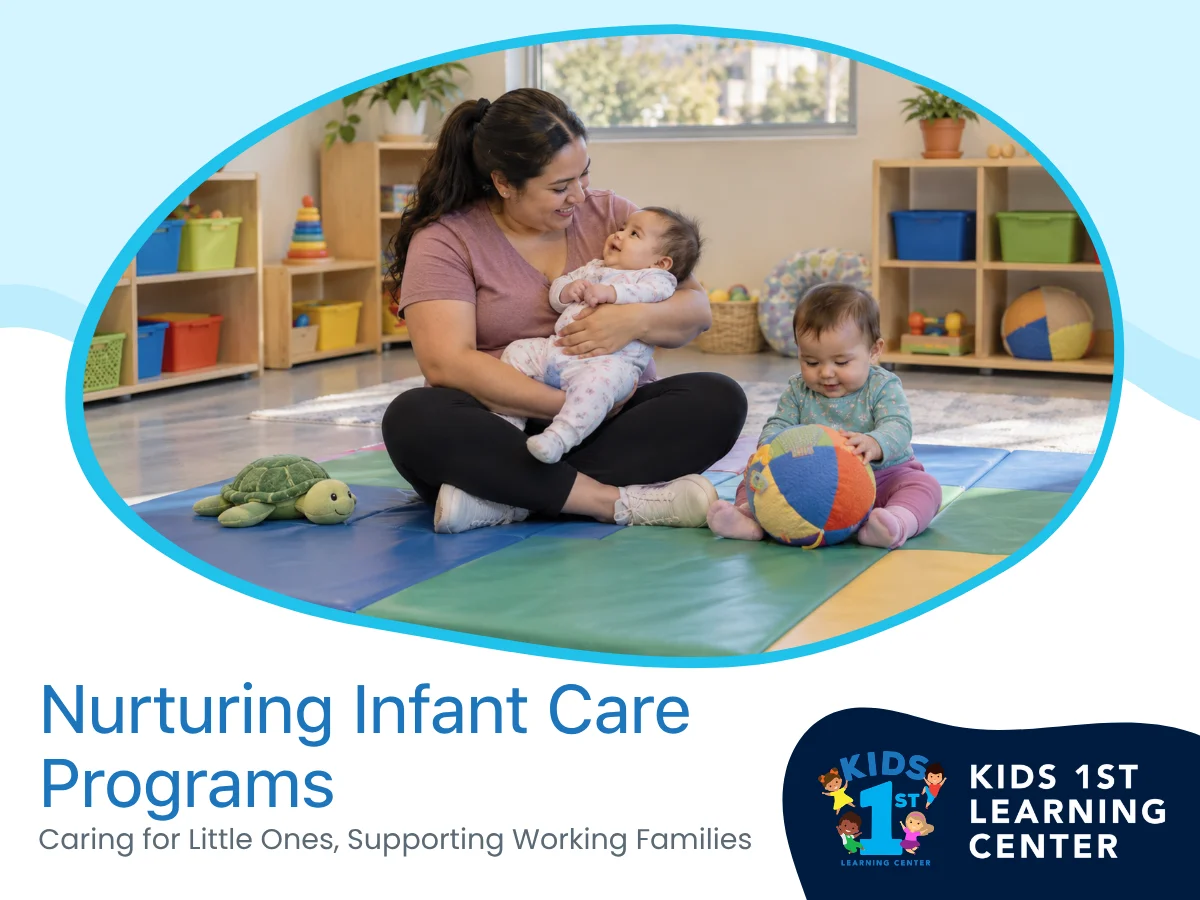


Affordable childcare options can help families find quality care that fits both their child’s needs and their household budget. For many parents, the search involves more than comparing tuition rates. It also means understanding which programs are available, what financial support may be available, and how to evaluate value beyond cost alone.
From tuition assistance and subsidized care to flexible program structures, there are several ways families can make early education more manageable. Learning how these options work can help parents make informed decisions and feel more confident as they choose the right childcare solution for their family.
How to Find Low-Cost Daycare Near Me

Finding low-cost daycare near me often starts with looking beyond advertised tuition and focusing on programs that combine affordability, reliability, and quality care. For many families, the goal is not simply to find the lowest price, but to identify a setting that supports a child’s development while remaining manageable within the household budget.
Start With Local Program Research
A strong first step is to explore childcare centers, family childcare homes, nonprofit programs, and community-based providers in your area. Parents can also check whether local agencies, school districts, or family resource organizations offer referrals to more affordable options. Comparing several programs side by side can make it easier to understand what is actually included in the tuition.
Look for Financial Support Opportunities
Some lower-cost programs become even more affordable when families qualify for additional help. Parents may want to ask whether a provider accepts:
- Childcare subsidies
- Tuition assistance
- State or county support programs
- Sibling discounts
- Part-time scheduling options
These details can make a meaningful difference in the total monthly cost.
Compare Value, Not Just Price
A program with a slightly higher rate may still offer better overall value if it includes meals, learning materials, extended hours, or family support services. Parents should also consider transportation convenience, consistency of care, and the program’s approach to safety and early learning.
Ask the Right Questions
Before making a decision, it helps to ask:
- What does tuition include?
- Are there registration or supply fees?
- Is assistance available now, or is it available through a waitlist?
- Are full-time and part-time options offered?
By taking a thoughtful approach, families can narrow their search to childcare options that are both practical and supportive. The best low-cost daycare option is one that meets financial needs while still providing children with a safe, stable, and enriching environment.
Understanding Childcare Tuition Assistance Programs
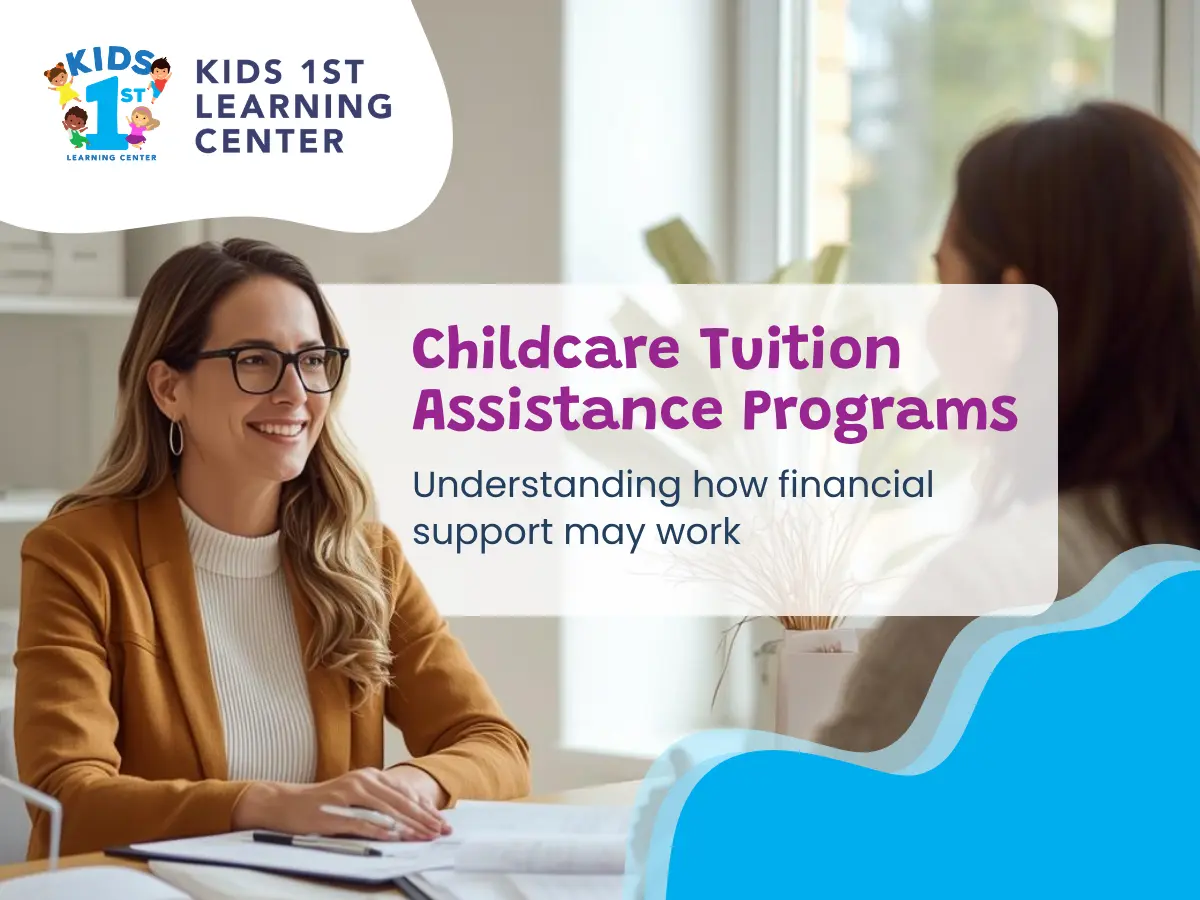
Childcare tuition assistance programs can help families reduce the cost of care while still giving children access to a safe, supportive early learning environment. These programs are designed to bridge the gap between what care costs and what a family can reasonably afford. For parents comparing options, it is important to understand that assistance may come from different sources and may be applied in different ways.
Where Tuition Assistance May Come From
Support is often available through a mix of public and community-based resources, such as:
- State or county childcare subsidy programs
- Nonprofit or community assistance initiatives
- Employer-sponsored childcare benefits
- Scholarships offered by individual providers
- Early education programs with income-based tuition support
Each option may have its own guidelines, application process, and funding limits.
How Assistance Is Typically Applied
Not all programs work in the same way. Some reduce the monthly tuition amount directly, while others cover only a portion of care costs. In some cases, funding is paid to the provider on the family’s behalf. In others, parents may need to submit documents first and wait for approval before the reduced rate begins.
What Parents Should Review Carefully
Before relying on childcare tuition assistance programs, families should look closely at:
- Income requirements
- Child age eligibility
- Work, school, or training expectations
- Waiting lists or enrollment deadlines
- Renewal rules after approval
These details can affect both initial approval and the duration of support availability.
Why This Information Matters
Understanding how tuition assistance works can help parents make more confident choices and avoid unexpected costs. A program that appears affordable at first may involve additional fees, while another may offer stronger long-term support through a clearer funding structure. By carefully reviewing assistance options, families can focus on programs that fit both their budget and their child’s daily care needs.
How Sliding Scale Daycare Fees Work for Families

Sliding-scale daycare fees are designed to make childcare more affordable by adjusting tuition based on a family’s financial situation. Instead of charging every household the same rate, some providers or assistance programs use a flexible fee structure that takes into account what a family can reasonably afford. For parents exploring affordable care, this approach can create more access without sacrificing consistency or quality.
What a Sliding Scale Usually Takes Into Account
While each program sets its own rules, sliding scale fees are often based on several factors, including:
- Household income
- Family size
- Number of children enrolled
- Employment or school status
- Local cost of living considerations
In many cases, families with lower incomes pay a reduced tuition rate, while those with higher incomes contribute more. This structure helps spread costs more fairly across enrolled families.
How the Payment Structure May Work
Some providers organize tuition into income brackets, with each bracket tied to a different weekly or monthly rate. Others calculate a reduced fee after reviewing documents such as pay stubs, tax records, or proof of participation in school or job training. Parents may also find programs that combine sliding-scale daycare fees with external tuition assistance, creating additional savings.
What Parents Should Ask Before Enrolling
Before moving forward, families should ask clear questions about how the scale works, such as:
- What documents are required to determine the rate?
- How often is income reviewed?
- Are there added fees beyond tuition?
- What happens if household income changes?
Why This Option Can Be Helpful
A sliding scale model can give families more flexibility and a clearer path to quality childcare. It also makes it easier for parents to stay employed, continue their education, or maintain a more stable routine at home. When families understand how fees are calculated, they can compare options more confidently and choose a program that supports both their financial needs and their child’s daily care experience.
What Makes Childcare More Affordable Without Lowering Quality

Affordable childcare does not have to mean limited support or a lower standard of care. In many cases, the most cost-effective programs are those that use resources wisely, offer flexible tuition structures, and focus on the services families truly need. For parents, the key is understanding what contributes to value, not just what lowers the monthly bill.
Efficient Program Models That Support Affordability
Some childcare programs keep costs more manageable through thoughtful planning rather than cutting corners. This may include:
- Shared resources across classrooms
- Consistent staffing and lower turnover
- Age-appropriate group scheduling
- Community partnerships and outside funding
- Flexible attendance options for families who do not need full-time care
These features help reduce operational strain while still maintaining a supportive environment for children.
Quality Indicators Parents Should Still Expect
Even when a program is more affordable, families should still look for signs of quality, such as:
- Clean, well-maintained learning spaces
- Warm, attentive caregivers
- Clear safety procedures
- Daily routines that support learning and development
- Strong communication with parents
A lower price point should not mean a lack of structure, supervision, or developmental support. Programs can remain budget-friendly while continuing to provide meaningful early learning experiences.
What Adds Long-Term Value Beyond Tuition
Some programs offer added value that makes them more affordable over time. Meals, learning materials, family communication tools, and developmental support services may already be included in tuition. This can reduce the need for extra spending elsewhere. For many families, predictable pricing and reliable care also make it easier to plan monthly expenses and maintain work or school routines.
Why Affordability and Quality Can Work Together
When childcare providers build programs around efficiency, support, and family needs, affordability and quality can go hand in hand. Parents do not need to choose between financial practicality and a positive early learning environment. By looking at both daily care standards and the full value of what is included, families can find options that support their budget while still giving children a strong foundation.
Conclusion
Choosing among affordable childcare options requires more than comparing prices. Parents also need to consider how tuition assistance works, which fee structures may be available, and which programs continue to provide dependable care and early learning support. A thoughtful search can help families find childcare that aligns with their financial realities without sacrificing quality, safety, or consistency. With the right information, parents can make confident decisions that support both their child’s development and their family’s daily needs.
To explore childcare options that support your family, contact Kids 1st at (818) 873-0133 or visit https://kids1st.org/contact-kids-1st/.