
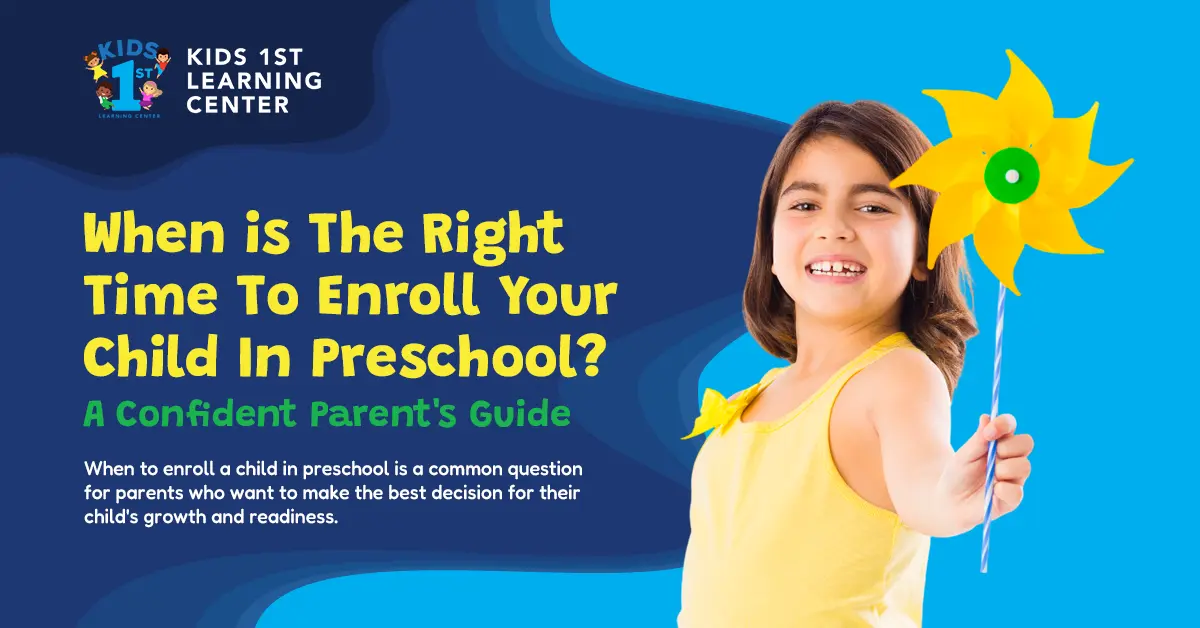
When to enroll a child in preschool is a common question for parents who want to make the best decision for their child’s growth and readiness. Every child develops at a different pace, so the right time depends on a mix of age, independence, social comfort, and daily routine needs.
Preschool can support early learning, communication skills, and emotional development in a structured, nurturing environment. For many families, it also provides consistency, support, and a smooth transition into kindergarten. This guide will help you understand key readiness signs, important milestones, and practical factors to consider so you can choose the right preschool start time with confidence.
Understanding Preschool Enrollment Age Requirements
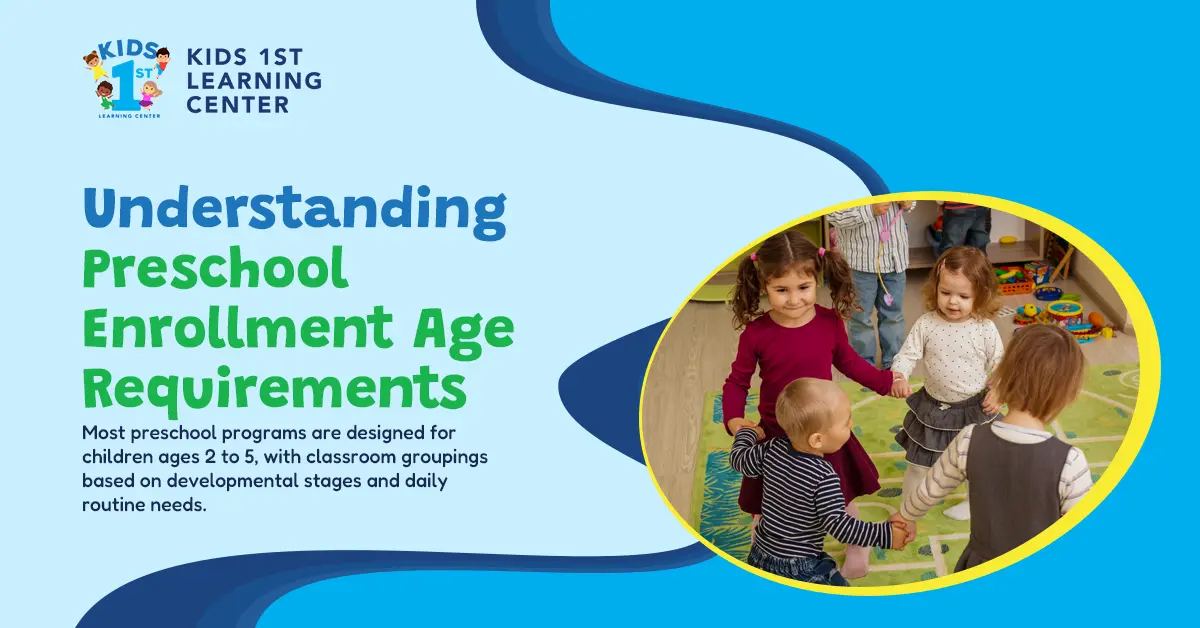
Most preschool programs are designed for children ages 2 to 5, with classroom groupings based on developmental stages and daily routine needs. Some programs begin earlier with toddler classrooms, while others start closer to age 3. Age placement often reflects what children can manage during group learning, playtime, and structured routines, rather than simply meeting a minimum birthday requirement.
Developmental Readiness Versus Birthdate Cutoffs
While preschool enrollment age requirements often include a specific age by a certain date, readiness is about more than a number. Many schools consider whether a child can participate safely and comfortably in a group setting, follow basic routines, and engage in learning through play. A child who is socially curious and able to communicate needs may thrive even if they are newly meeting the age requirement, while another child may benefit from additional time at home if they still struggle with transitions or separation.
Readiness indicators often include:
- Comfort being away from parents for short periods
- Ability to follow simple directions
- Interest in playing near or with other children
- Basic communication, even if speech is still developing
What To Ask If Your Child Is On The Younger Side
If your child is close to the minimum age cutoff, a preschool tour is the best way to understand placement options. Ask whether the program offers a gradual transition, shorter-day options, or smaller group settings that support younger children. It is also helpful to ask how teachers guide children through common early challenges, such as toileting transitions, naptime routines, or frustration during group play.
Questions to ask include:
- Do younger children have support for separation and adjustment?
- What routines help children feel secure during the day?
- How do teachers handle potty training expectations?
- Are there part-time schedules for a smoother start?
How Age Placement Impacts Classroom Success
Choosing the right classroom placement helps children build confidence from the start. When expectations match a child’s stage of development, they are more likely to participate, connect with peers, and enjoy learning. Being placed too early can sometimes lead to frustration or fatigue, especially if the child struggles with long days or structured transitions. On the other hand, an age-appropriate setting can support growth quickly by providing routine, social practice, and guided learning.
The best placement is one where your child feels safe, supported, and capable, with teachers who understand how to meet children where they are and help them progress naturally.
The Best Time To Apply For Preschool Based On Your Family’s Goals
The best time to apply for preschool often depends on how competitive enrollment is in your area and on your family’s schedule. Many parents begin researching programs several months before they want their child to start, especially for fall enrollment. Starting early gives you time to tour schools, compare classroom environments, and complete paperwork without pressure. It also allows you to adjust your plan if your first choice is full or has limited availability.
Planning For Fall Starts Versus Mid-Year Enrollment
Fall is the most common start time because many programs build classrooms and routines around a new school year. If you want a fall start, it is usually helpful to apply in late winter or spring. Mid-year enrollment can be an excellent option for families who are relocating, returning to work, or noticing that their child is ready earlier than expected. However, openings mid-year depend on classroom space and staffing, so availability may be more limited.
Families often choose mid-year enrollment when they want:
- A smaller transition period before kindergarten
- A supportive routine during a schedule change at home
- A child to gain social experience sooner
- Additional time to build independence and confidence
How Waitlists Can Change Your Timeline
Waitlists are common, especially in programs with strong reputations or limited class sizes. Even if a school is not currently enrolling, it may have openings later due to family schedule changes. Ask how the waitlist works, whether placement is based on the date of application, and how often families receive updates. It is also wise to ask about flexibility, since part-time schedules may open sooner than full-time options.
Consider asking these questions:
- How many children are currently on the waitlist for this age group?
- Are openings more common during certain months?
- Can we start part-time and transition to full-time later?
- Is there a fee to hold a spot or remain on the waitlist?
Choosing A Start Date That Supports Smooth Adjustment
The right preschool start date should match your child’s readiness and your family’s daily needs. Some children adjust more easily when they begin during a quieter period, while others thrive with a whole classroom of peers at the start of the year. A smooth adjustment often depends on home routines, sleep habits, and your child’s comfort with new environments.
Before deciding, consider:
- Your child’s ability to separate calmly
- How well they handle transitions and new routines
- Whether a shorter day option is available at first
- The level of communication and support offered during the first weeks
When your timing and goals align, preschool becomes a positive and confident next step for the whole family.
How To Track Preschool Enrollment Deadlines Near Me
Preschool enrollment deadlines near me can vary depending on whether a program follows a traditional school-year calendar or offers rolling enrollment. Many schools begin accepting applications for fall starts several months in advance, while others enroll year-round as spaces become available. The easiest way to stay organized is to build a simple timeline based on your child’s intended start date, then work backward to schedule tours and submit forms on time.
A practical planning timeline often includes:
- 3 to 6 months before start: schedule tours and request pricing
- 2 to 4 months before start: submit applications and documents
- 1 to 2 months before start: confirm placement and finalize paperwork
What Families Should Know About Priority Enrollment
Some preschools use priority enrollment to fill spaces before opening registration to the public. Priority spots may be offered to currently enrolled families, siblings, or families on a waitlist. Even with priority enrollment in place, schools may still have openings in certain age groups, so it is worth checking availability directly. If you are applying for a popular schedule, such as full-time preschool, applying earlier often increases your chances of receiving your preferred start date.
To avoid missing a key deadline, ask:
- When does enrollment open for new families?
- Do returning families register first?
- Are there separate timelines for part-time and full-time options?
- How quickly are families notified after applying?
Documents And Forms That May Be Required
Enrollment requirements are usually straightforward, but gathering documents early can make the process smoother. Many programs require the same basic items, along with a registration fee to reserve a spot. Having everything ready helps prevent delays, especially if space becomes available quickly.
Standard enrollment documents may include:
- Birth certificate or proof of age
- Immunization records and health forms
- Emergency contact and authorized pickup information
- Parent handbook acknowledgment and policy agreements
If your child has allergies, medical needs, or developmental support plans, ask how documentation is handled and whether any additional steps are required.
How To Confirm Current Availability Quickly
Because openings can change weekly, staying informed is one of the best ways to navigate enrollment deadlines. Most schools can share which age groups are open, whether there is a waitlist, and what realistic start dates are. After a tour, follow up within a few days if you are still deciding, since available spots may not remain open for long.
Helpful next steps include:
- Call or email to ask about current availability
- Request the next enrollment date or deadline in writing
- Ask about alternative start dates if your preferred option is full
- Confirm your application status and expected response timeline
Tracking deadlines is easier when you have clear communication, organized documents, and a plan to apply early when possible.
Conclusion
Choosing when to enroll a child in preschool is a decision that should feel thoughtful, informed, and aligned with your child’s readiness. By understanding age requirements, planning for application timelines, and tracking local enrollment deadlines, you can avoid unnecessary stress and focus on finding the best fit for your family. Preschool should be a positive step that supports your child’s growth in confidence, communication, independence, and early learning skills. With the right timing and the right program, your child can begin preschool feeling safe, supported, and excited for each new day.
To learn more about preschool enrollment options at Kids 1st, call (818) 873-0133 or visit https://kids1st.org/contact-kids-1st/.