
How to choose an early childhood education program starts with understanding what your child needs most to feel safe, supported, and ready to learn. The right program should reflect your family’s values while offering a nurturing environment, age-appropriate learning experiences, and consistent communication.
As you compare options, look closely at classroom routines, teacher qualifications, safety practices, and how the program supports social-emotional development. It is also helpful to consider practical factors like location, schedules, and available tuition assistance. With a thoughtful approach, you can select a program that builds confidence, encourages curiosity, and supports your child’s growth at every stage.
What To Look For In An Early Childhood Education Center
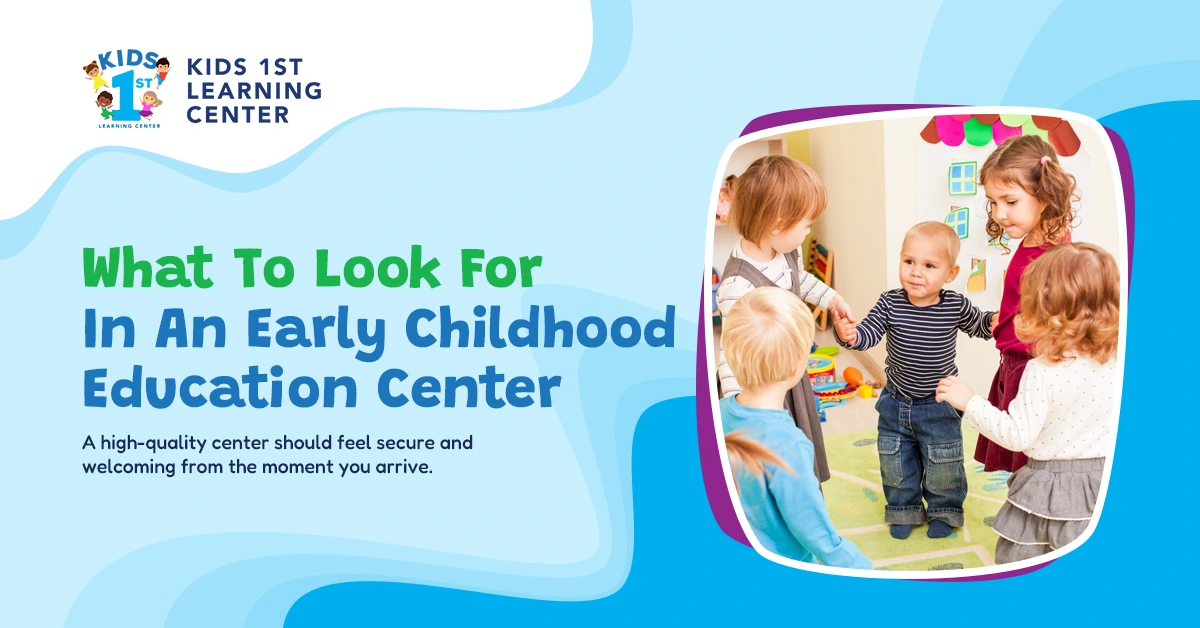
A high-quality center should feel secure and welcoming from the moment you arrive. Look for controlled entry, clear sign-in and pick-up procedures, and a clean, bright, and thoughtfully arranged space. Classrooms should have defined learning areas, age-appropriate materials, and enough room for children to move comfortably without overcrowding.
Qualified Teachers And Healthy Classroom Ratios
Strong early learning starts with capable, consistent educators. Ask about teacher credentials, ongoing training, and staff turnover. Also confirm child-to-teacher ratios and group sizes, since smaller ratios often allow for more individualized support, calmer routines, and stronger relationships. Pay attention to how teachers speak to children and guide behavior with patience and respect.
A Developmentally Appropriate Curriculum
A strong program balances learning and play, supporting early literacy, language, and math foundations, as well as fine and gross motor skills and social-emotional growth. Ask how the curriculum is adapted by age group and how progress is shared with families. The best centers explain not only what children do each day, but why those activities support development.
Consistent Communication And Family Partnership
A center should make it easy to stay informed and involved. Look for daily updates, clear policies, and regular opportunities to connect with teachers. Communication should include practical details such as meals, naps, and diapering, along with learning highlights and behavior notes when needed.
Key Questions To Ask During A Tour
- How do you support children during transitions and separation?
- What are your illnesses, medications, and emergency procedures?
- How do you handle challenging behaviors and social conflicts?
- What does a typical day look like for my child’s age group?
- How do you keep parents informed and involved?
Choosing an early childhood education center is easier when you focus on safety, teaching quality, curriculum, and communication. These factors work together to create a consistent, supportive experience for both children and families.
Early Childhood Program Comparison Checklist
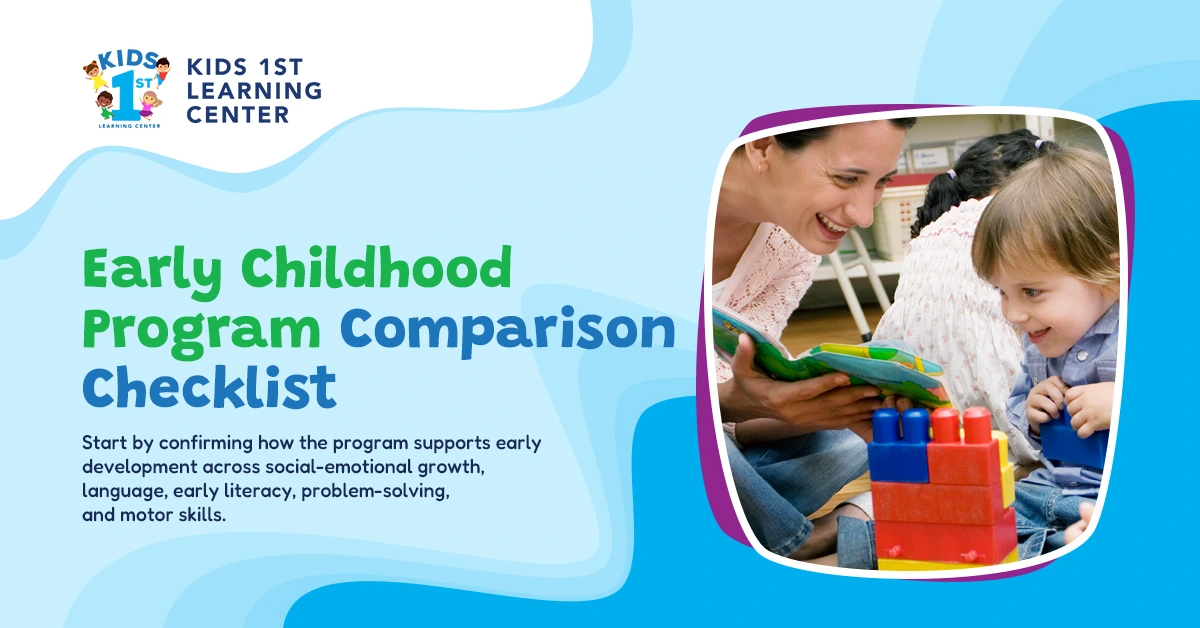
Start by confirming how the program supports early development across social-emotional growth, language, early literacy, problem-solving, and motor skills. Ask what curriculum or framework is used and how teachers adapt activities for different ages and learning styles. A strong program should balance structured learning with purposeful play and hands-on exploration.
Checklist items to compare:
- Clear daily schedule with age-appropriate routines
- Play-based learning with intentional skill-building
- Opportunities for art, music, movement, and outdoor play
- Positive guidance and consistent classroom expectations
Teachers, Ratios, And Consistency
Children thrive when they feel known and supported by consistent caregivers. Compare teacher qualifications, staff training, and the center’s approach to staffing coverage. Lower child-to-teacher ratios and stable teams often lead to stronger relationships and calmer classrooms.
Checklist items to compare:
- Teacher credentials and ongoing professional development
- Child-to-teacher ratios and group size by age
- Staff turnover rates and how substitute coverage works
- How teachers support social skills and conflict resolution
Health, Safety, And Daily Care Standards
Safety and wellness practices should be clearly documented and easy to understand. Ask to review policies related to illness, cleaning routines, allergies, emergencies, and secure pick-up procedures. If meals are provided, confirm nutrition standards and how dietary needs are handled.
Checklist items to compare:
- Secure entry and verified pick-up procedures
- Written illness policy and sanitation practices
- Emergency preparedness and staff certifications
- Allergy management and medication procedures
Family Communication And Convenience
Compare how each program keeps parents informed and involved. Reliable communication supports trust and reduces uncertainty, especially during the first few weeks. Also, weigh practical factors that impact your routine.
Checklist items to compare:
- Daily reports, photos, or updates through an app or written log
- Parent-teacher communication expectations and response times
- Hours of operation, flexibility, and holiday closures
- Tuition, registration fees, and financial assistance options
Simple Scoring Tip
Create a one-page sheet for each center, with rating categories from 1–5. When programs look similar on paper, your observations during a tour often reveal which environment feels most supportive for your child and family.
How To Find The Best Early Childhood Education Program Near Me
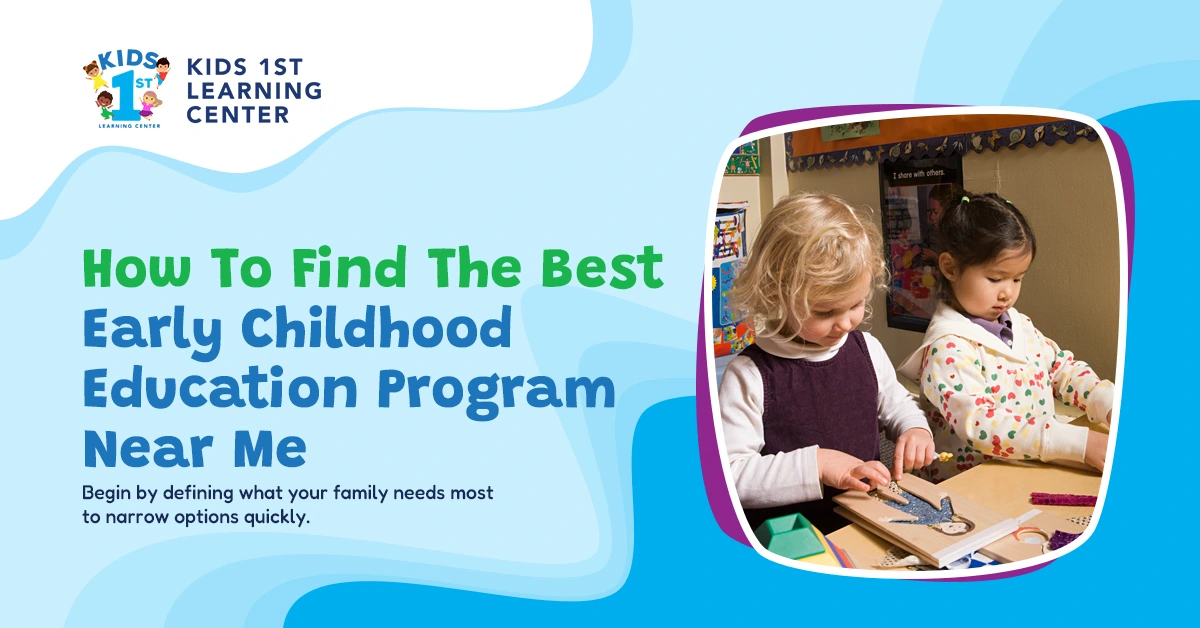
Begin by defining what your family needs most to narrow options quickly. Consider your child’s age, the type of care you need, and the schedule that fits your work and commute. Also, identify preferences such as learning style, class size, and whether you want part-day or full-day care.
Helpful questions to clarify:
- What days and hours do we need coverage?
- How far are we willing to travel each morning and afternoon?
- Do we prefer play-based learning, structured academics, or a blend?
- What budget range is realistic, and do we need assistance options?
Use Local Search Tools With Purpose
When searching for the best early childhood education program near you, use specific terms that align with your priorities. Include your neighborhood or nearby landmarks to improve results, and look for centers that clearly list program ages, schedules, and enrollment steps. Review licensing information, program details, and, when possible, any publicly available inspection or compliance records.
Search terms to try:
- “early childhood education program + [your city]”
- “infant care near [neighborhood]”
- “preschool with extended hours + [city]”
Review Reputation And Parent Experience
Online reviews can be helpful when you read them carefully. Look for patterns related to communication, cleanliness, teacher consistency, and how children adjust. A few negative reviews are not always a concern, but repeated comments about safety or staffing should be taken seriously. Community groups and local parent networks can also provide practical feedback.
Tour With A Clear Plan
Tours are where the decision becomes more tangible. Observe how teachers engage with children, how routines are managed, and whether the classroom feels calm and organized. Ask to see where meals are served, where children rest, and how drop-off and pick-up work.
Tour checklist:
- Teachers interact warmly and respectfully
- Classrooms are clean, safe, and age-appropriate
- Clear routines for learning, play, meals, and rest
- Policies are documented and easy to understand
Compare Next Steps And Enrollment Timing
Finally, confirm availability, start dates, and waitlist expectations. Ask what enrollment requires, what is included in tuition, and how the program supports new families during the transition. A strong program should make the process clear and supportive from the first inquiry through the first day.
Conclusion
Choosing the right early childhood education program is an important decision because it shapes how your child experiences learning, relationships, and daily routines during their earliest years. When you focus on quality indicators such as safety practices, teacher consistency, classroom environment, and family communication, it becomes easier to compare options with clarity. A thoughtful search, guided tours, and a simple comparison checklist can help you identify a program that supports your child’s development while fitting your family’s schedule and priorities. With the right match, your child can feel secure, engaged, and confident as they grow.
Ready to explore a program that supports your family’s goals? Call (818) 873-0133 or connect with Kids 1st here: https://kids1st.org/contact-kids-1st/.